Archive for November 2024
How I Handled Septic Tank Smell Problems with Minimal Effort

My Battle (and Victory!) Against the Septic Tank Smell
Okay, let's be honest. Nobody wants to deal with a septic tank smell. It's that pungent, earthy, vaguely rotten-egg aroma that instantly makes you want to grab an air freshener (or maybe a hazmat suit!). I've been there, choked by that awful smell wafting from my backyard, and I'm here to tell you how I conquered it â€" with minimal effort, I might add. Because let’s face it, dealing with septic systems is nobody's idea of a good time.
The Initial Offense: When the Smell Attacked
It started subtly. A faint whiff here and there. Then, it escalated. Suddenly, my otherwise lovely backyard was permeated with that unmistakably septic aroma. It was especially bad on warm, humid days. Honestly, it was embarrassing having guests over! I tried to mask it with scented candles and strategically placed air fresheners, but it was a losing battle. The smell was winning.
My initial reaction? Panic! I envisioned costly repairs, digging up my yard, and generally a whole lot of unpleasantness. I started Googling frantically, and the information overload was overwhelming. Everything from expensive enzyme treatments to complete system replacements flashed before my eyes. I needed a solution, and I needed it fast â€" but I wasn’t about to jump into expensive solutions before exhausting simpler ones.
My Low-Effort, High-Impact Strategy
Instead of immediately calling in the big guns (and emptying my wallet), I decided to tackle the problem systematically. My approach was all about small, manageable steps, focusing on the most likely culprits first. Here’s what I did:
Step 1: The Power of Observation
Before doing anything drastic, I took a good look around. Where exactly was the smell strongest? Was it emanating from the drain field (the area where the treated wastewater is dispersed)? Was it coming from the septic tank itself (often indicated by a noticeable odor near the tank's access lid)? Pinpointing the source helped me narrow down the potential problems.
Step 2: The Simple Solution: Check Your Ventilation
This might seem obvious, but many septic tank issues stem from problems with ventilation. Septic tanks need proper ventilation to release gases produced during the decomposition process. A clogged vent pipe can cause a significant backup of these gases, leading to that awful smell. I checked my vent pipe (usually a small pipe extending from the tank and ending above ground) and, lo and behold, it was completely blocked by leaves and debris!
The Fix: I used a long brush to clear the blockage. Simple as that! After clearing the vent, the smell started to dissipate within a few hours. It was remarkable how quickly this seemingly small fix made a big difference. The power of simple maintenance is astounding!
Step 3: The Water Test
Next, I paid attention to my water usage. Were we using excessive amounts of water? Were we flushing things down the toilet that shouldn’t be there (like excessive amounts of grease, sanitary products, or cleaning chemicals)? Overloading your septic system can easily lead to backups and odors. We made a conscious effort to be more mindful of what we were flushing and avoid overloading the system. This wasn't a dramatic change, just a little more awareness.
Step 4: The Bacterial Boost
After clearing the vent and adjusting our water habits, I decided to add a septic tank treatment. I chose a microbial additive â€" essentially, beneficial bacteria that help break down waste more efficiently. These products are widely available at home improvement stores and are relatively inexpensive. I followed the instructions carefully, making sure to add the correct amount to the tank.
Important Note: Always choose a product that’s specifically designed for septic systems. Some commercial drain cleaners can actually harm the beneficial bacteria in your tank, making the problem worse.
Step 5: Maintaining Good Habits
After implementing the steps above, the smell was mostly gone. However, to prevent it from returning, I established some good habits. These aren't major changes, but they contribute to the long-term health of my septic system:
- Regularly checking the vent pipe for blockages (at least once a year, or more frequently if you have a lot of trees near the pipe).
- Avoiding flushing things like grease, sanitary products, and excessive paper down the toilet.
- Using a septic system treatment periodically (according to the product instructions).
- Being mindful of water usage and not overloading the system.
The Aftermath: Smells Be Gone!
It’s been several months now, and I haven't had a single septic-related smell issue. The combination of clearing the vent pipe, adjusting our water usage, and using a microbial additive completely solved the problem. It was a relief to finally get rid of that awful smell without having to resort to expensive and potentially messy repairs.
The best part? The whole process took me a few hours and only cost me a couple of tens of dollars for the microbial additive. It proves that sometimes, the simplest solutions are the most effective. So if you’re battling a septic tank smell, don’t panic! Start with these simple steps and see if you can conquer the odor yourself before calling in the professionals.
Frequently Asked Questions
Q: How often should I have my septic tank pumped?
A: The frequency depends on factors like tank size, household size, and water usage. Generally, it's recommended to have your tank pumped every 3-5 years. However, some systems might require more frequent pumping.
Q: What if my septic tank smell persists after trying these steps?
A: If the smell continues after addressing ventilation, water usage, and adding microbial additives, it's best to call a professional septic service. There might be a more serious issue, such as a cracked tank or a failing drain field, requiring specialized attention.
Q: Are there any DIY ways to check my septic tank’s health?
A: While you should not directly enter or inspect the tank without proper safety equipment and training, you can monitor the following: the vent pipe for blockages, the presence of excessive standing water in the drain field, and the overall smell in your yard. However, any suspicion of a serious problem should always lead you to a professional.
Q: What types of microbial additives are best?
A: Look for products specifically formulated for septic systems. Many contain beneficial bacteria that help break down waste and reduce odors. Always read the product instructions carefully and follow the recommended dosage.
Q: Can I use drain cleaners in my septic system?
A: Generally, it is not recommended. Many drain cleaners contain harsh chemicals that can harm the beneficial bacteria in your septic system, potentially leading to long-term problems. Stick to septic-specific treatments.
How Can I Ventilate My Septic Tank to Eliminate Odors?
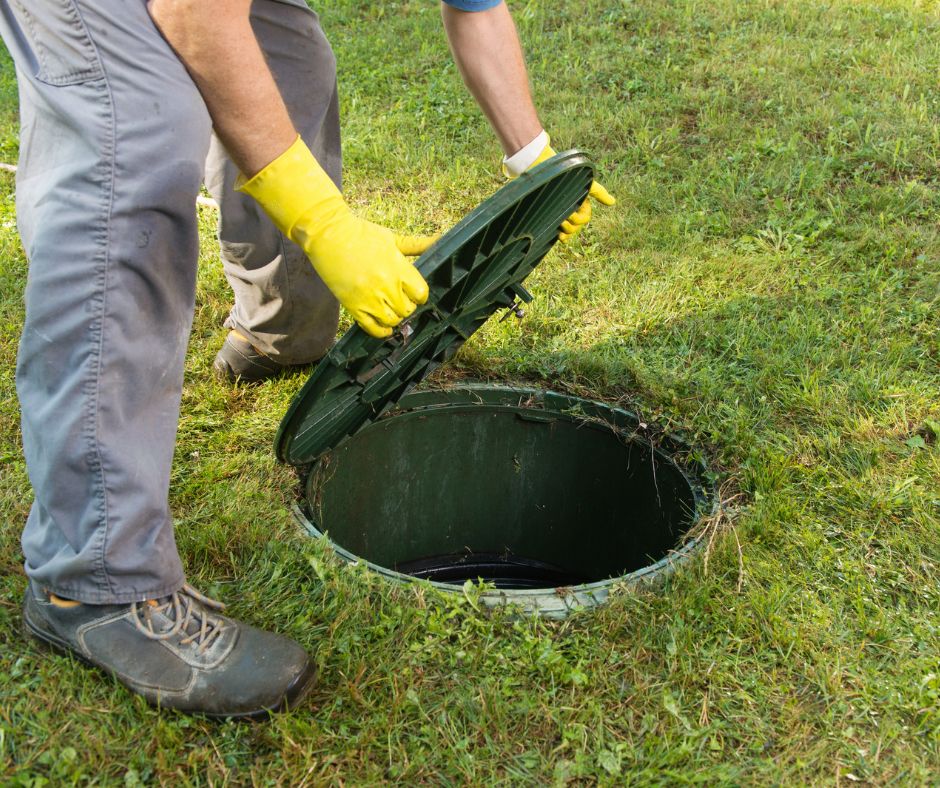
Banishing Septic Tank Odors: A Comprehensive Guide to Ventilation
That unmistakable, unpleasant smell emanating from your septic system? It's a common problem, but one that's entirely solvable with proper ventilation. A well-ventilated septic tank prevents the buildup of sewer gases, those noxious compounds responsible for the offensive odor. Ignoring the issue not only impacts your property's pleasantness but can also pose health risks. This comprehensive guide will walk you through effective strategies to eliminate those pesky septic tank odors, leaving your home smelling fresh and clean.
Understanding the Root of the Problem: Sewer Gases
Septic tanks, while essential for wastewater treatment, naturally produce sewer gases during the breakdown of organic matter. These gases, a mixture of methane, hydrogen sulfide, and other volatile compounds, are not only smelly but also potentially flammable and toxic. The pressure build-up from these gases is the primary culprit behind the odors escaping your system. A properly functioning vent system releases these gases safely into the atmosphere, preventing them from escaping into your home or yard. Ignoring this vital aspect of septic system maintenance can lead to a range of problems, from unpleasant smells to potentially hazardous situations.
Effective Ventilation Strategies: A Multi-Pronged Approach
Successfully eliminating septic tank odors often requires a combined approach. It's not a one-size-fits-all solution, and the best strategy depends on your specific septic system setup and the severity of the odor problem. Let's explore the most common and effective methods.
1. Ensuring Proper Vent Pipe Functionality
Your septic tank should have a vent pipe extending several feet above the ground, typically made of PVC. This pipe allows gases to escape safely. Regularly inspect this pipe for any blockages â€" leaves, debris, or even animal nests can impede airflow and cause a back-up of sewer gases. Clear any blockages you find, and consider installing a vent cap to further prevent intrusions. If you suspect a more significant problem, such as a collapsed or damaged pipe, call a septic professional immediately for repair.
2. Utilizing a Septic Tank Filter
Adding a septic tank filter can significantly reduce odors. These filters trap solids before they reach the effluent filter, thereby minimizing the amount of organic matter available for bacterial decomposition. This reduction in organic material directly translates to a reduction in the amount of sewer gases produced. Remember to replace the filter according to the manufacturer's recommendations for optimal performance and odor control.
3. Addressing Landscaping Issues
Your landscaping choices can inadvertently contribute to septic tank odor problems. Overgrown vegetation around the vent pipe can restrict airflow. Keep the area around your vent pipe clear, ensuring unobstructed airflow. Similarly, avoid planting trees with extensive root systems near your septic tank, as these roots can potentially damage the tank or its pipes.
4. Maintaining Your Septic Tank
Regular maintenance is paramount to preventing odors. Schedule regular pumping of your septic tank according to your system's needs (typically every 3-5 years) and avoid overloading your system with excessive water usage or improper waste disposal. A properly functioning and regularly maintained septic system is less likely to produce excessive sewer gases.
When to Call a Professional
If you've tried these strategies and still experience persistent septic tank odors, it's time to call a qualified septic professional. They possess the expertise to diagnose underlying problems, such as leaks, blockages, or other issues that may require more extensive repairs. Don't hesitate to seek professional help; a properly functioning septic system is crucial for both your health and the environment.
By implementing these ventilation strategies and practicing diligent maintenance, you can successfully banish those unpleasant septic tank odors and enjoy a fresh-smelling home and yard.
Can I Eliminate Septic Tank Smells Using Household Ingredients?

Banishing Septic Tank Odors with Household Helpers
That unmistakable septic smell creeping into your yard or home is unpleasant, to say the least. Before you call in the professionals, explore these surprisingly effective household remedies that can help neutralize those offensive odors and restore fresh air to your property. Remember, while these methods can tackle minor odor issues, persistent or severe smells might indicate a more serious septic system problem requiring professional attention.
Understanding the Source of Septic Tank Odors
Septic tank odors stem from the gases produced during the breakdown of organic waste. These gases, including hydrogen sulfide (that rotten egg smell!), escape through cracks in the system, vent pipes, or even the soil itself. Understanding the source helps target your efforts. A small leak near the tank might be easily addressed, while a significant system malfunction requires professional intervention. Therefore, before starting any home remedy, assess the situation carefully. Is the smell concentrated near the tank, or is it spreading across a wider area? This will help you determine the best course of action.
Effective Home Remedies to Neutralize Septic Tank Smells
The Power of Baking Soda and Vinegar
This classic cleaning duo works wonders on septic odors. Baking soda neutralizes acids, while vinegar, a mild acid, helps break down organic matter contributing to the stench. Simply pour a generous amount of baking soda down your toilet or drain, followed by a cup of vinegar. Let it fizz for a few minutes, then flush with plenty of water. Repeat as needed. For a more targeted approach near the tank's lid, sprinkle baking soda on the ground around the lid, allowing it to absorb odors. The mild acetic acid in vinegar can then help further neutralize those odors.
Harnessing the Strength of Enzymes
Enzymes are naturally occurring substances that break down organic matter. You can purchase septic tank enzyme treatments at most home improvement stores. These products contain beneficial bacteria that help speed up the decomposition process within the tank, minimizing the production of odor-causing gases. Follow the product instructions carefully for optimal results. Remember, regular enzyme treatments can prevent future odor issues and maintain a healthy septic system.
Ground Coffee: A Surprisingly Effective Odor Absorber
Ground coffee is more than just a morning pick-me-up; its porous structure makes it an excellent odor absorber. Place bowls of fresh ground coffee near the source of the smellâ€"inside the house near potential entry points or outside near the tank. The coffee grounds will naturally absorb the unpleasant odors, leaving your space smelling fresher. Replace the grounds regularly for optimal performance. Be mindful to not use the same coffee grounds for brewing afterward.
Activated Charcoal: A Natural Odor Trap
Activated charcoal's highly porous surface area allows it to effectively trap odor-causing molecules. Place bowls of activated charcoal near the smell's source, both inside and outside. Activated charcoal is a highly effective natural odor absorber, but it's also non-toxic and relatively inexpensive. It will continue to absorb odor for weeks and can be replaced when it becomes saturated. Simply place it back in the sun to help rejuvenate it.
When to Call a Professional
While these home remedies can help manage minor odor issues, persistent or worsening smells might signal a more serious problem. Signs you need professional help include:
- Recurring or intense odors despite using home remedies.
- Slow or backed-up drains.
- Gurgling sounds coming from your drains.
- Sewer backups or standing water around the tank.
Ignoring these issues could lead to costly repairs or environmental damage. A professional septic inspection can identify the root cause of the problem and recommend appropriate solutions.
The Most Common Causes of Septic Tank Odors in the Bathroom
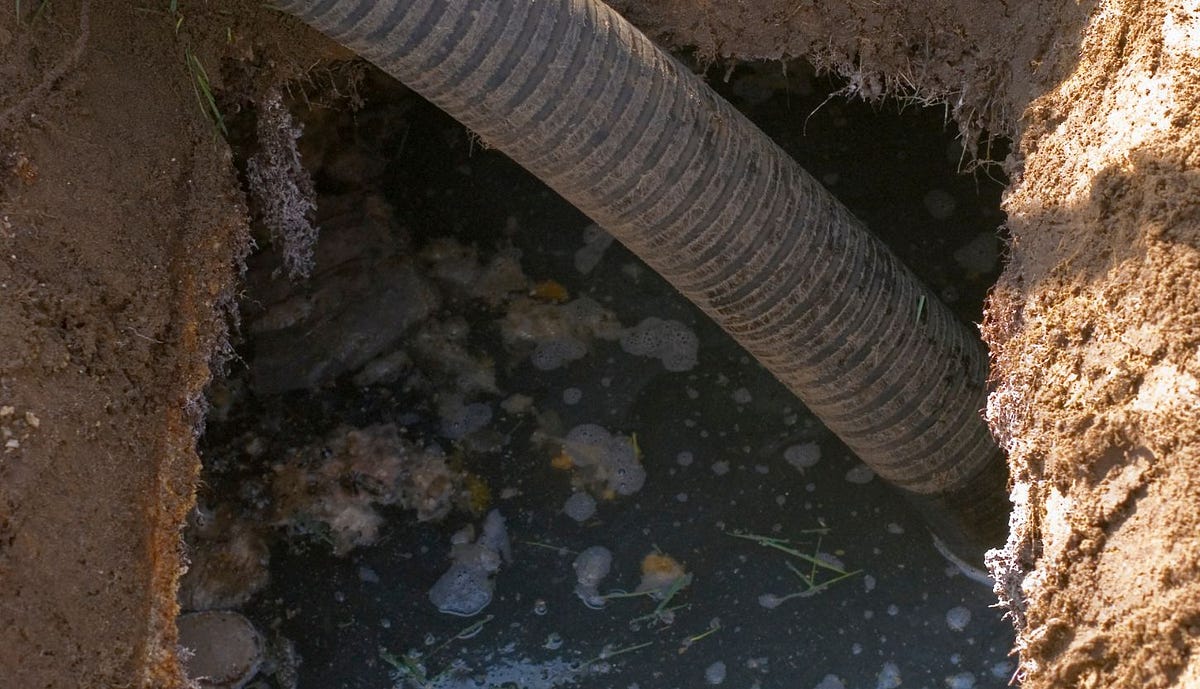
The Most Common Causes of Septic Tank Odors in the Bathroom
A septic system is a crucial part of many homes, providing an alternative to traditional sewer lines. However, when things go wrong, the consequences can be unpleasant, leading to unpleasant odors that permeate the bathroom. Septic tank odors can be a source of discomfort and embarrassment, signaling an underlying issue that requires attention. Understanding the common causes behind these odors is essential for addressing the problem effectively.
Understanding Septic Tank Systems
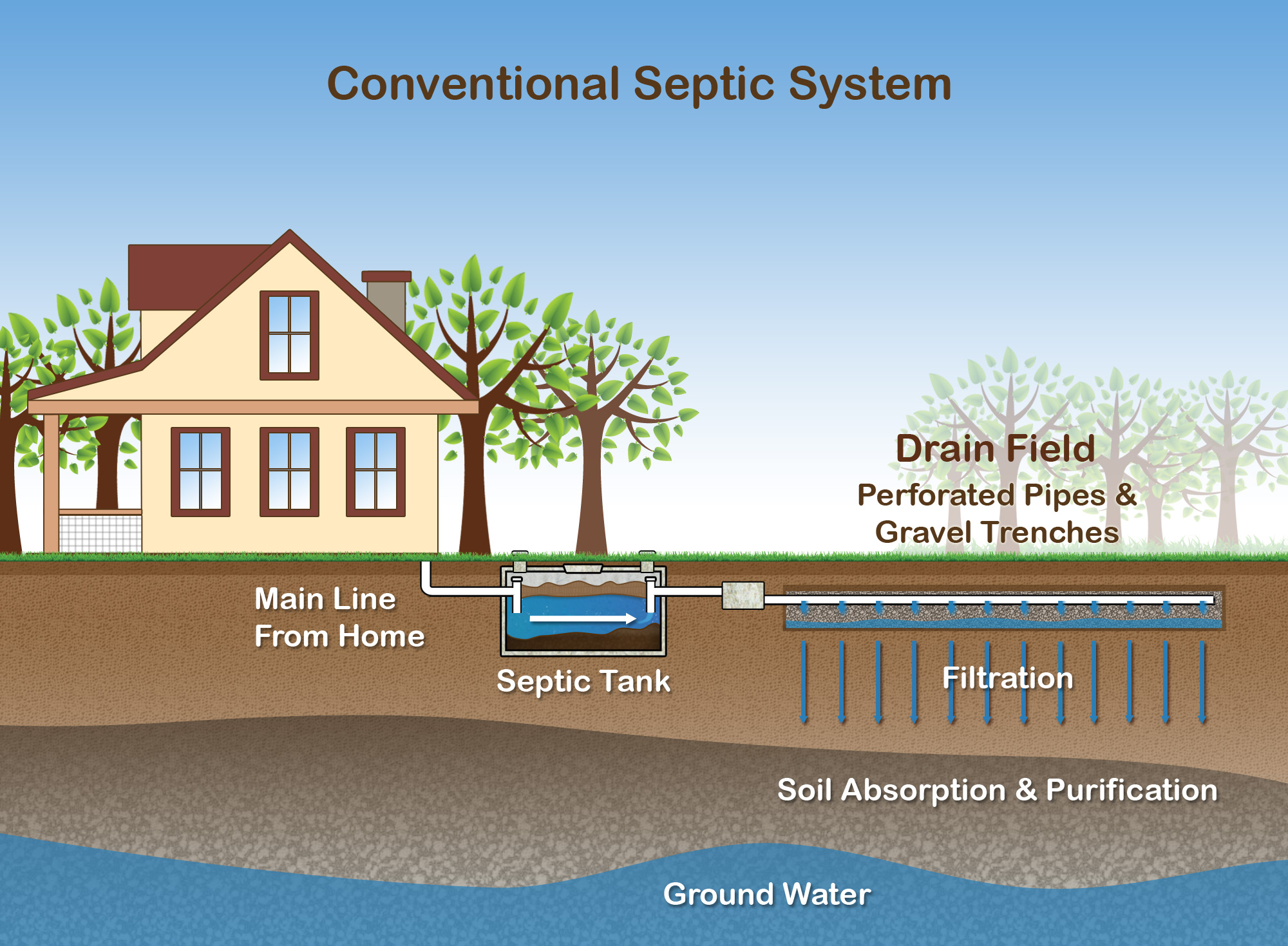
To grasp the origins of septic tank odors, it's crucial to have a basic understanding of how septic systems work. A typical septic system consists of two main components:
The Septic Tank:
This underground container receives wastewater from the house. Solid waste settles at the bottom, forming sludge, while lighter materials like grease and oils float to the top, forming a layer known as scum. Bacteria break down the waste in the septic tank, separating the solids from the liquids.
The Drainfield:
The effluent (liquid portion) from the septic tank flows into the drainfield, a series of underground trenches filled with gravel. Here, the effluent is further filtered and treated by beneficial bacteria before being released back into the environment.
Common Causes of Septic Tank Odors in the Bathroom
Odors in the bathroom emanating from the septic system can be a result of several issues, each requiring a specific approach to rectify.
1. Full or Overflowing Septic Tank:
When the septic tank becomes full, the solids cannot be broken down effectively, leading to a buildup of bacteria and gases. As the tank reaches its capacity, the sludge and scum can begin to enter the drainfield, potentially clogging it and hindering the proper filtration process. This can cause a pungent, foul odor that permeates the bathroom.
2. Clogged Drainfield:
The drainfield is crucial for filtering and releasing treated wastewater. Over time, a buildup of solids, grease, or roots can clog the drainfield, restricting the flow of effluent and causing a backup. A clogged drainfield can lead to an unpleasant odor in the bathroom and throughout the house.
3. Faulty Septic Tank Components:
Cracks, leaks, or other damage to the septic tank or its components can create pathways for foul-smelling gases to escape. Damaged pipes, faulty baffles, or a cracked tank can lead to a release of these odors directly into the bathroom or other areas of the house.
4. Poor Ventilation:
While a septic tank naturally produces some gases, proper ventilation is essential to prevent these gases from accumulating and escaping into the bathroom. Poorly ventilated bathrooms can trap these gases, contributing to the unpleasant odor.
5. Excessive Water Usage:
Using excessive amounts of water, such as during long showers or frequent laundry cycles, can overload the septic system. This can lead to a buildup of waste and a release of odors into the bathroom. Try to minimize water usage, particularly during peak periods.
6. Improper Flushing Habits:
Flushing items that are not meant for the septic system, such as non-biodegradable wipes, paper towels, or food scraps, can contribute to clogging and odors. Make sure to only flush toilet paper and human waste down the toilet.
7. Chemical Usage:
Using harsh chemicals, such as bleach or drain cleaners, can disrupt the beneficial bacteria in the septic tank, making it less effective at breaking down waste. This can lead to a buildup of odors and potentially harm the overall health of the septic system.
Addressing Septic Tank Odors: Prevention and Solutions
Tackling septic tank odors requires a combination of preventative measures and proactive solutions.
1. Regular Pumping:
The most effective way to prevent odors is to schedule regular septic tank pumping. Pumping removes accumulated solids and scum, ensuring that the tank remains operational and prevents backups and odors.
2. Inspecting the Drainfield:
It's important to periodically inspect the drainfield for any signs of clogging or damage. Signs of a clogged drainfield include slow draining sinks or toilets, wet spots in the yard, or a musty odor.
3. Maintaining Proper Ventilation:
Ensure adequate ventilation in the bathroom and around the septic system. This helps to prevent the accumulation of gases and their release into the bathroom.
4. Conserving Water:
Reduce water usage by taking shorter showers, fixing leaks, and using water-efficient appliances. This will reduce the strain on the septic system and minimize the risk of overflows and odors.
5. Avoiding Harmful Substances:
Avoid flushing non-biodegradable items down the toilet and limit the use of harsh chemicals. Use biodegradable products and dispose of waste responsibly.
Calling a Professional
If the odor persists despite preventative measures, it's crucial to contact a qualified septic system professional. A professional can diagnose the underlying cause of the odors and provide appropriate solutions, such as:
A professional can also provide valuable advice on proper septic system maintenance and help you prevent future odor issues.
Conclusion
Septic tank odors in the bathroom can be a sign of various problems, ranging from a full tank to a clogged drainfield. Understanding the potential causes and implementing preventative measures is crucial for maintaining a clean and odor-free bathroom environment. Regular maintenance, proper usage, and prompt professional intervention are essential for keeping your septic system running smoothly and preventing unpleasant odors.
How to Create Your Own Natural Septic Tank Cleaner at Home

Creating Your Own Natural Septic Tank Cleaner at Home
Maintaining a healthy septic system is crucial for a smooth-running household. While commercial septic tank cleaners exist, many homeowners are opting for more eco-friendly and cost-effective alternatives. Creating your own natural septic tank cleaner at home is a safe and sustainable way to keep your system functioning optimally.
This guide provides a comprehensive understanding of the benefits of natural septic cleaners, the essential ingredients, and detailed instructions on crafting your own effective solution.
Benefits of Natural Septic Tank Cleaners
Commercial septic tank cleaners often contain harsh chemicals that can disrupt the delicate balance of bacteria responsible for breaking down waste in your septic system. These chemicals can potentially damage your system, harm the environment, and even contaminate groundwater. Natural cleaners, on the other hand, offer numerous advantages:
Environmentally Friendly
Natural ingredients are biodegradable and pose minimal risk to the environment. They do not contain harmful chemicals that can leach into the soil and contaminate water sources.
Safe for Your System
Natural cleaners are gentler on your septic tank and its components, reducing the risk of damage or corrosion. They do not harm the beneficial bacteria that aid in waste decomposition.
Cost-Effective
Making your own septic tank cleaner can significantly reduce your cleaning expenses compared to purchasing commercial products. The ingredients are readily available and often inexpensive.
Effective Cleaning
Natural cleaners can effectively break down organic waste and prevent the buildup of sludge and scum in your septic tank, ensuring proper drainage and system longevity.
Essential Ingredients for Natural Septic Tank Cleaners
The following ingredients are commonly used in homemade septic tank cleaners, each contributing to the cleaning process:
Yeast
Yeast is a natural source of enzymes that help break down organic matter. It promotes the growth of beneficial bacteria, aiding in waste decomposition and preventing odors.
Baking Soda
Baking soda is a mild alkali that helps neutralize acids in the septic tank, reducing corrosion and promoting a healthy pH balance. It also deodorizes the system.
Vinegar
Vinegar is a natural acid that helps dissolve grease and grime, preventing clogs and improving drainage. It also acts as a disinfectant, reducing the risk of bacterial growth.
Epsom Salt
Epsom salt contains magnesium, which aids in bacterial growth and promotes the breakdown of waste. It also softens water, reducing the formation of hard water deposits.
Borax
Borax is a natural mineral that helps control odor and prevent the growth of bacteria in the septic tank. It also helps prevent the buildup of scum and sludge.
Recipes for Homemade Septic Tank Cleaners
Here are two simple and effective recipes for natural septic tank cleaners:
Recipe 1: Basic Yeast and Baking Soda Cleaner
Ingredients:
- 1 package active dry yeast
- 1 cup baking soda
- 1 gallon warm water
Instructions:
- Dissolve the yeast in the warm water and let it sit for 10 minutes.
- Add the baking soda to the yeast mixture and stir well.
- Pour the mixture down your toilet and flush several times.
- Repeat this process once a month for optimal septic tank maintenance.
Recipe 2: Advanced Vinegar and Epsom Salt Cleaner
Ingredients:
- 1 cup white vinegar
- 1/2 cup Epsom salt
- 1/4 cup borax
- 1 gallon warm water
Instructions:
- Dissolve the Epsom salt and borax in the warm water.
- Add the vinegar to the mixture and stir well.
- Pour the solution down your toilet and flush several times.
- Use this cleaner every 3-4 months for a deep clean and effective maintenance.
Tips for Using Homemade Septic Tank Cleaners
Here are some essential tips to ensure the effectiveness and safety of your homemade cleaners:
Frequency of Application
The frequency of applying your homemade septic tank cleaner depends on factors like household size and usage. For regular maintenance, use a basic cleaner once a month, and a deep cleaning solution every 3-4 months.
Avoid Overloading
Do not overuse your homemade cleaner, as it can potentially disrupt the bacterial balance in your septic tank. Stick to the recommended application frequency.
Monitor System Performance
Keep an eye on the performance of your septic system after using natural cleaners. If you notice any drainage problems or other issues, consult a professional septic tank service.
Proper Disposal of Ingredients
Ensure proper disposal of any unused cleaner ingredients. Do not pour them down the drain or into the environment, as they can harm aquatic life.
Conclusion
Creating your own natural septic tank cleaner is a safe, effective, and environmentally conscious way to maintain your system. By using readily available ingredients and following these simple recipes, you can keep your septic tank healthy and avoid the potential risks associated with harsh chemical cleaners. Remember to monitor your system's performance and consult a professional for any concerns or issues.
How to Keep Your Septic Tank Free from Clogs Using Natural Methods
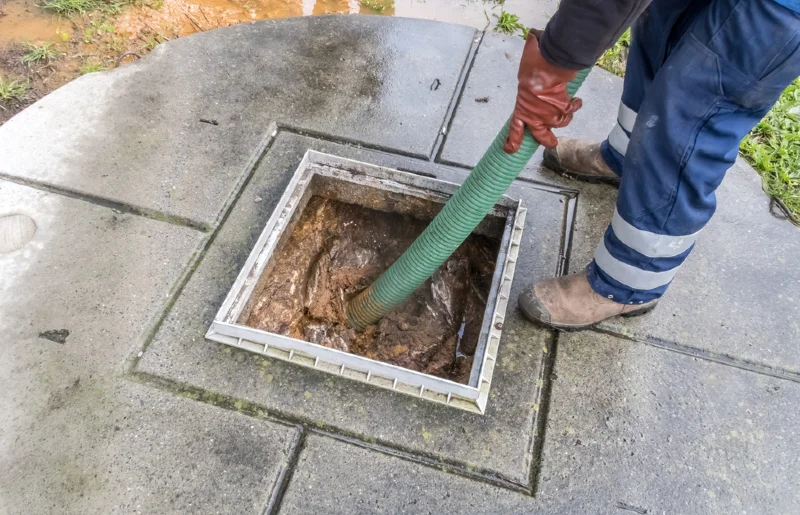
How to Keep Your Septic Tank Free from Clogs Using Natural Methods
Hey there, fellow homeowner! Let's talk septic systems. They're like the unsung heroes of our homes, quietly and efficiently handling our waste. But just like any hardworking system, they need a little TLC to keep them running smoothly. And that's where natural methods come in. So grab a cup of coffee, settle in, and let's dive into the world of keeping your septic tank clog-free!
Understanding Septic Systems
First things first, let's talk about what a septic system actually is. It's a self-contained wastewater treatment system that's commonly found in homes that aren't connected to a public sewer system. Basically, it's a mini-treatment plant in your backyard! It consists of a tank (where solids settle) and a drain field (where the filtered wastewater is discharged).
The key to keeping your septic system happy and clog-free is understanding how it works. Think of it like a delicate ecosystem: you need to keep the good bacteria thriving to break down the waste effectively. So, let's talk about how we can do that naturally.
Natural Methods for Septic Tank Maintenance
Let's get down to the nitty-gritty! Here are some tried-and-true natural methods to keep your septic tank happy and clog-free:
1. Embrace the Power of Microbes
Believe it or not, those tiny bacteria are your best friends when it comes to your septic system. They work tirelessly to break down the solids and keep things moving smoothly. You can help them out by feeding them with things they love!
- Yeast: A little bit of yeast sprinkled down the drain can help those bacteria multiply and break down the waste more efficiently.
- Vinegar: Vinegar is a natural cleaning agent that can help break down grease and grime, making it easier for the bacteria to do their job.
- Baking soda: Baking soda can also help to neutralize odors and create a more alkaline environment, which is ideal for bacteria growth.
- Compost: If you're a gardener, consider diverting your compost to your septic tank every few months. It provides a rich source of nutrients and helpful bacteria.
2. Be Mindful of What You Flush
The golden rule of septic tank maintenance is: if it's not pee, poo, or toilet paper, it doesn't belong in the toilet!
- Avoid flushing:
- Flushable wipes: They may say "flushable," but they're often not biodegradable and can cause major clogs in your drain field.
- Paper towels: They're not designed to break down like toilet paper and can build up in your system.
- Feminine hygiene products: These products are also not biodegradable and can cause clogs.
- Disposable diapers: While they're made to break down, they can still put a strain on your septic system.
- Be cautious with:
- Grease and oil: Grease and oil can solidify in your pipes and contribute to clogs. Use a strainer to catch them and dispose of them properly.
- Hair and lint: Hair and lint can also build up in your pipes, so use drain screens to catch them.
- Excessive amounts of chemicals: Chemicals like bleach, disinfectants, and paint thinners can kill the beneficial bacteria in your septic tank. Use these products sparingly, or consider using natural alternatives.
3. Water Wisely
Did you know that your septic tank actually relies on a healthy amount of water to keep everything flowing smoothly? So, let's talk water usage:
- Run water after use: Flush your toilet and run water in the sink for a few seconds after showering or washing dishes. This helps to keep the pipes clean and prevents clogs.
- Fix leaks promptly: Leaks in your plumbing can lead to excess water entering your septic system, which can overload it. Fix any leaks as soon as possible!
- Water conservation: While you want to maintain a healthy water flow, you also don't want to overwhelm your system. Use water-saving appliances and practice water conservation techniques.
4. Don't Forget the Basics
There are a few basic things you can do to help keep your septic system in tip-top shape:
- Inspect your system regularly: Get your septic tank inspected every 3-5 years by a qualified professional.
- Pump your tank: A full septic tank is a recipe for disaster! Have your tank pumped out every 3-5 years, depending on the size of your household and your water usage.
- Monitor your drain field: Keep an eye out for any signs of problems with your drain field, like standing water or soggy areas in your yard.
Commonly Asked Questions
You've got questions, I've got answers! Here are some of the most frequently asked questions about septic systems:
- Q: What are some signs of a septic system problem?
- A: Here are a few red flags:
- Slow draining: If water drains slowly in your sinks, tubs, or toilets, it could be a sign of a clog.
- Gurgling sounds: Gurgling noises coming from your drains can also indicate a problem.
- Odors: A foul smell coming from your drains or yard can be a sign of a septic system problem.
- Standing water: If you see standing water in your yard near your septic tank or drain field, it's a sign that the system is not working properly.
- Q: How can I avoid a clog?
- A: The best way to avoid a clog is to be mindful of what you flush, use the natural methods we discussed, and get your septic system inspected and pumped regularly.
- Q: Can I use chemicals to clean my septic system?
- A: It's best to avoid using harsh chemicals, as they can kill the beneficial bacteria in your septic tank. Instead, opt for natural cleaning methods or talk to a professional about safer alternatives.
So, there you have it! Armed with this information, you're well on your way to keeping your septic system running smoothly and avoiding those dreaded clogs. Remember, a little preventative care goes a long way. And if you ever have any questions or concerns, don't hesitate to consult a professional!
Simple Techniques to Reduce Septic Tank Smells Outdoors

Simple Techniques to Reduce Septic Tank Smells Outdoors
Let's face it, nobody wants to be greeted by an unpleasant odor when they step outside their home. And while the occasional whiff of something "off" can be attributed to the neighbor's barbeque, a persistent septic smell is a clear sign that something's amiss. But don't worry, you don't have to call in a plumber (just yet!). There are a few simple techniques you can try first to banish those foul odors.
The Importance of a Healthy Septic System
Before we jump into the DIY solutions, let's talk about why your septic system might be producing those funky smells in the first place. Think of your septic tank as a mini-ecosystem. It's designed to break down waste using bacteria. But just like any ecosystem, it needs to be kept in balance. Too much waste, too little water, or even the wrong kind of bacteria can disrupt this delicate balance, leading to those dreaded smells.
Simple Steps to Banish Septic Smells
Here are some easy ways to keep your septic system happy and your nose happy too:
1. Don't Overload Your System
Think of your septic tank like a bathtub. If you keep pouring water into it, it's going to overflow. The same goes for your septic system. Here's what you can do:
- Avoid using the garbage disposal: It adds extra food scraps to your tank that can overwhelm the bacteria.
- Limit the amount of toilet paper you use: Use only septic-safe toilet paper designed to break down quickly.
- Skip the heavy-duty cleaners: Harsh chemicals can kill off the beneficial bacteria in your septic tank.
- Be mindful of what you flush: Avoid flushing anything other than human waste and toilet paper. That includes things like wipes, feminine hygiene products, and even cotton balls.
2. Keep It Hydrated
Remember how we said your septic tank is like a mini-ecosystem? Well, just like any ecosystem, it needs water to survive. If the water levels in your tank get too low, the bacteria won't be able to do their job properly and you'll be left with a smelly situation.
- Run your washing machine regularly: Even if you don't have a full load, running your washing machine a few times a week helps keep water flowing through your septic system.
- Water your lawn: This is a great way to add water to your septic system, especially during dry periods.
3. Feed the Friendly Bacteria
Just like humans, the bacteria in your septic tank need food to survive. These bacteria are the superheroes of your septic system, breaking down waste into harmless byproducts. Giving them a boost can help prevent bad odors and improve the overall performance of your tank. You can feed your bacteria with a commercial septic treatment or DIY solutions like:
- Yeast: Sprinkle a packet of active dry yeast down your toilet once a month. This is a great source of nutrients for the bacteria.
- Baking soda: Add a cup of baking soda to your toilet once a week. It will help to neutralize acids and prevent unpleasant odors.
- Vinegar: Pour a cup of vinegar down your toilet once a month. Vinegar helps to break down grease and other substances that can clog your septic system.
4. Keep Your Septic Tank Covered
Your septic tank lid should be sealed tightly to prevent odors from escaping. If the lid is cracked or broken, you'll need to get it repaired ASAP. And, if you have a vent pipe, make sure it's clear and unobstructed.
5. Landscaping for a Better Smell
Sometimes, a little bit of landscaping can go a long way in masking those septic smells. Consider planting fragrant shrubs or flowers near your septic system. Rosemary, lavender, and jasmine are all known for their pleasant scents and can help mask any unpleasant odors.
When It's Time to Call a Professional
Even with all these DIY efforts, sometimes your septic system needs a professional touch. Here are some signs that it's time to call a plumber:
- The odor is strong and persistent despite your best efforts.
- You notice slow drains or sewage backing up into your home.
- Your septic system is more than 10 years old.
Commonly Asked Questions
Here are some frequently asked questions about septic smells:
What does it mean if my septic tank smells like sulfur?
A sulfur-like smell could indicate a problem with your septic tank, potentially a buildup of hydrogen sulfide gas. This can happen when the tank is overloaded or the bacteria aren't working properly. It's important to have it checked by a professional.
Is it normal for my septic tank to smell occasionally?
It's normal for your septic tank to have a faint, earthy odor occasionally. However, if the smell is strong or persistent, it's a sign that something is wrong.
Can I use bleach to clean my septic system?
No, bleach can actually kill off the beneficial bacteria in your septic tank. Instead, opt for septic-safe products or natural remedies like baking soda and vinegar.
Taking care of your septic system might seem like a chore, but it's an important part of keeping your home functioning and smelling fresh. By following these simple tips, you can reduce odors, prevent costly repairs, and keep your septic system running smoothly for years to come.
How to Keep Your Yard Fresh with the Right Septic Tank Odor Eliminator

How to Keep Your Yard Fresh with the Right Septic Tank Odor Eliminator
Living with a septic system presents unique challenges, particularly when it comes to unwanted odors. While these systems are designed for efficient waste treatment, they can sometimes emit unpleasant smells that can permeate your yard, creating an unwelcoming environment. Fortunately, there are effective solutions to combat this problem, and the key lies in choosing the right septic tank odor eliminator.
This guide will delve into the intricacies of septic tank odor elimination, providing you with a comprehensive understanding of the underlying causes, the most effective odor eliminators, and practical tips for maintaining a fresh and fragrant yard.
Understanding the Root of Septic Tank Odors
Before exploring the solutions, it's crucial to comprehend the source of these pesky smells. Septic tank odors primarily arise from the breakdown of organic waste within the system. As bacteria decompose the waste, they release various gases, including hydrogen sulfide, ammonia, and methane, which can travel up through the vent pipe and into the surrounding environment.
Several factors can contribute to the severity of septic tank odors:
- Overloading the tank: When the tank fills beyond its capacity, it can lead to a buildup of waste and increased gas production, resulting in stronger odors.
- Improper maintenance: Neglecting regular septic tank inspections and pumping can contribute to inefficient waste breakdown and odor generation.
- Damaged vent pipe: A cracked or blocked vent pipe can trap gases within the tank, causing them to escape through other openings, like the drain field.
- Dry weather: During dry spells, the soil surrounding the drain field may become less absorbent, hindering the proper disposal of treated wastewater and potentially intensifying odors.
- Faulty plumbing: Leaks or cracks in the plumbing system can allow untreated wastewater to escape, contributing to offensive smells.
The Role of Septic Tank Odor Eliminators
Septic tank odor eliminators are specially formulated products designed to neutralize and mask odors emanating from the system. These products typically contain a combination of ingredients that work synergistically to address the problem.
The most common types of septic tank odor eliminators include:
- Bacteria-based solutions: These products introduce beneficial bacteria to the tank, which help decompose waste more efficiently, reducing odor-producing gases.
- Enzyme-based solutions: Enzymes break down organic matter into smaller components, minimizing the amount of material that can release odor-causing substances.
- Deodorizers: These solutions contain fragrances or odor-absorbing agents that mask unpleasant smells, offering a temporary solution.
Choosing the Right Septic Tank Odor Eliminator
Selecting the optimal septic tank odor eliminator involves considering several factors:
Type of System:
Different septic systems might require different types of odor eliminators. For instance, systems with older tanks or those experiencing frequent odor problems might benefit from bacteria-based solutions for efficient waste decomposition.
Severity of Odors:
If you're dealing with mild odors, deodorizers can provide temporary relief. However, for persistent or strong smells, bacteria or enzyme-based products are often more effective.
Ingredients:
It's essential to choose products that are safe for your septic system and the environment. Look for solutions that are biodegradable and free of harsh chemicals that can harm the beneficial bacteria in the tank.
Application Method:
Some odor eliminators are added directly to the tank, while others are poured down the toilet or into the drain field. Select the method that aligns with your system's design and the product's instructions.
Maintaining a Fresh and Odor-Free Yard
Beyond utilizing odor eliminators, several practices can help minimize the occurrence of septic tank odors:
- Regular Inspections and Pumping: Have your septic tank inspected and pumped every 3-5 years to ensure proper functionality and prevent waste buildup.
- Minimize Flushing Waste: Avoid flushing non-biodegradable items like wipes, paper towels, and medications down the toilet, as these can clog the system and contribute to odors.
- Conserve Water: Excessive water use can overload the septic system. Be mindful of water consumption by fixing leaks, using water-saving appliances, and limiting unnecessary water usage.
- Maintain Vent Pipe: Ensure the vent pipe is unobstructed and functioning correctly. If you suspect damage, consult a professional to repair or replace it.
- Proper Landscaping: Avoid planting trees or shrubs directly over the drain field, as their roots can damage the system and impede drainage, leading to odors.
Conclusion
Addressing septic tank odors requires a multi-pronged approach. By understanding the root causes, selecting the appropriate odor eliminator, and implementing proactive maintenance practices, you can effectively control odors and maintain a fresh and inviting yard. Remember, the key to a successful solution is finding the right combination of odor eliminators and preventative measures that suit your specific system and needs. If you are unsure about the best course of action, consult a professional septic tank expert to ensure you are taking the most effective steps to eliminate those unpleasant smells and restore the tranquility of your outdoor space.
How to Make Septic Tank Treatment from Household Ingredients
Homemade Septic Tank Treatment: A Guide to Natural Solutions
Maintaining a healthy septic system is crucial for any homeowner with an onsite wastewater treatment system. While commercial septic tank treatments are readily available, many homeowners seek natural and budget-friendly alternatives. This article explores homemade septic tank treatments using common household ingredients, offering safe and effective ways to keep your system running smoothly.
Understanding Septic System Basics
Septic systems rely on a series of natural processes to break down wastewater. Wastewater enters the septic tank, where solids settle to the bottom and liquids flow out to the drain field. Bacteria play a vital role in decomposing organic matter in the tank and drain field, ensuring proper waste treatment. Over time, the buildup of solids can hinder the system's efficiency. This is where natural solutions come in.
Homemade Septic Tank Treatments
Here are some effective homemade solutions to keep your septic system thriving:
Yeast and Sugar
Yeast and sugar work together to create a natural bacteria boost for your septic tank. The yeast acts as a catalyst, while the sugar provides a food source for the beneficial bacteria. This method can help break down organic waste and reduce odors.
- Pour 1 cup of active dry yeast and 1 cup of sugar into your septic tank.
- Allow the mixture to sit for 24 hours before flushing with several gallons of water.
Baking Soda and Vinegar
Baking soda and vinegar create a fizzing reaction that can help break down grease and other solids in your septic tank. The reaction also creates a more alkaline environment, which is beneficial for bacterial activity.
- Pour 1 cup of baking soda into your septic tank.
- Follow with 1 cup of vinegar.
- Allow the mixture to sit for 30 minutes before flushing with water.
Citrus Peels
Citrus peels, particularly those from oranges and lemons, contain natural enzymes that can aid in waste decomposition. These enzymes help break down fats and oils, reducing the buildup of solids in your septic tank.
- Collect citrus peels and allow them to dry completely.
- Once dry, grind them into a powder using a blender or food processor.
- Pour the powder into your septic tank and follow with a flush of water.
Maintenance Tips for a Healthy Septic System
Beyond homemade treatments, several practices contribute to a healthy septic system:
- Avoid Flushing Unnecessary Items: Don't flush items like wipes, paper towels, coffee grounds, or grease down the drain. These can clog your system.
- Limit Water Usage: Excessive water use can overload your system. Be mindful of laundry and dishwashing practices.
- Regular Inspections: Schedule regular inspections and maintenance by a qualified septic professional.
Conclusion
Homemade septic tank treatments provide a safe and cost-effective way to promote healthy bacterial activity and prevent buildup. Incorporating these natural solutions, along with proper maintenance practices, can ensure your septic system operates efficiently for years to come.
How to Stop Septic Tank Odors from Spreading at Night
How to Stop Septic Tank Odors from Spreading at Night: A Comprehensive Guide
The presence of foul odors emanating from your septic system can be a significant source of discomfort and embarrassment. These odors tend to be more pronounced at night due to several factors, including temperature fluctuations, atmospheric conditions, and the natural biological processes within the septic tank. This guide provides a comprehensive overview of the reasons behind nighttime septic tank odors and effective solutions to eliminate them.
Understanding the Causes of Septic Tank Odors
Septic tank odors result from the breakdown of organic waste in the tank, which produces various gases, including hydrogen sulfide (the rotten egg smell), methane, and ammonia. The gases are typically contained within the tank, but they can escape and permeate the surrounding area through various pathways.
Factors Contributing to Nighttime Odor Intensification
- Temperature Fluctuations: Warmer temperatures during the day accelerate the decomposition process, leading to higher gas production. As temperatures cool down at night, the gas pressure within the tank can increase, forcing more gases out.
- Atmospheric Conditions: Calm and still nights create ideal conditions for odor stagnation, as there is little wind to disperse the gases.
- Biological Activity: The bacteria responsible for decomposing waste are most active at night, leading to a surge in gas production.
- Tank Overloading: A full or overloaded septic tank is more likely to release odors, as the waste is not breaking down efficiently.
- Leaks and Cracks: Cracks in the tank, faulty lids, or improperly sealed pipes can allow odors to escape into the surrounding environment.
- Poor Ventilation: Inadequate ventilation in the septic system can cause a buildup of gases, leading to odor release.
Effective Strategies to Prevent Septic Tank Odors
The following measures can help address the root causes of nighttime septic tank odors and create a more pleasant living environment:
Routine Maintenance and Inspection
- Regular Pumping: Pumping your septic tank every 3-5 years is essential to remove accumulated sludge and solids, preventing overloading and promoting efficient waste breakdown.
- Inspecting the System: Regularly check your septic system for any visible signs of damage, leaks, or cracks. Repair or replace any damaged components promptly to prevent odor escape.
- Inspecting the Drain Field: The drain field is responsible for filtering and absorbing the treated wastewater. Inspect it for signs of clogging or saturation, which can lead to odor problems.
Improving Ventilation
- Ventilating the Tank: Ensure your septic tank has proper vent pipes. These pipes should be at least 4 feet tall and extend above the roofline for effective ventilation.
- Ventilating the House: Adequate ventilation in your home helps to prevent odors from accumulating indoors. Ensure your bathroom and kitchen have functioning exhaust fans that draw air outside.
Addressing Odors from the Drain Field
- Avoid Overloading the Drain Field: Limit the use of water-intensive appliances like washing machines and dishwashers during the evening hours to prevent overloading the drain field.
- Maintaining Drain Field Accessibility: Clear any vegetation or debris around the drain field to prevent blockage and ensure proper drainage.
Utilizing Odor-Control Products
- Septic Tank Additives: Consider adding septic tank additives that contain bacteria and enzymes to help break down waste more efficiently and reduce odor-producing gases.
- Odor Neutralizers: Use odor-neutralizing products specifically designed for septic systems. These products typically contain fragrances that mask unpleasant odors.
Other Helpful Tips
- Water Conservation: Minimizing water usage, especially at night, can reduce the amount of wastewater entering the septic system, reducing the likelihood of odors.
- Proper Waste Disposal: Avoid flushing anything other than toilet paper and human waste down the toilet. Fats, oils, and grease can clog pipes and contribute to odor problems.
- Regular Cleaning: Keep your bathrooms and kitchen clean and disinfected to prevent odors from lingering.
When to Contact a Professional
If you have tried the above measures and are still experiencing persistent septic tank odors, it's essential to contact a qualified septic system professional. They can assess the situation, identify any underlying issues, and recommend appropriate solutions.
Conclusion
Addressing septic tank odors, particularly at night, requires a proactive approach. By understanding the causes, implementing preventive measures, and seeking professional assistance when needed, you can effectively minimize and eliminate unpleasant odors and create a more comfortable and odor-free living environment.
How to Clear Septic Tank Clogs with DIY Cleaning Methods
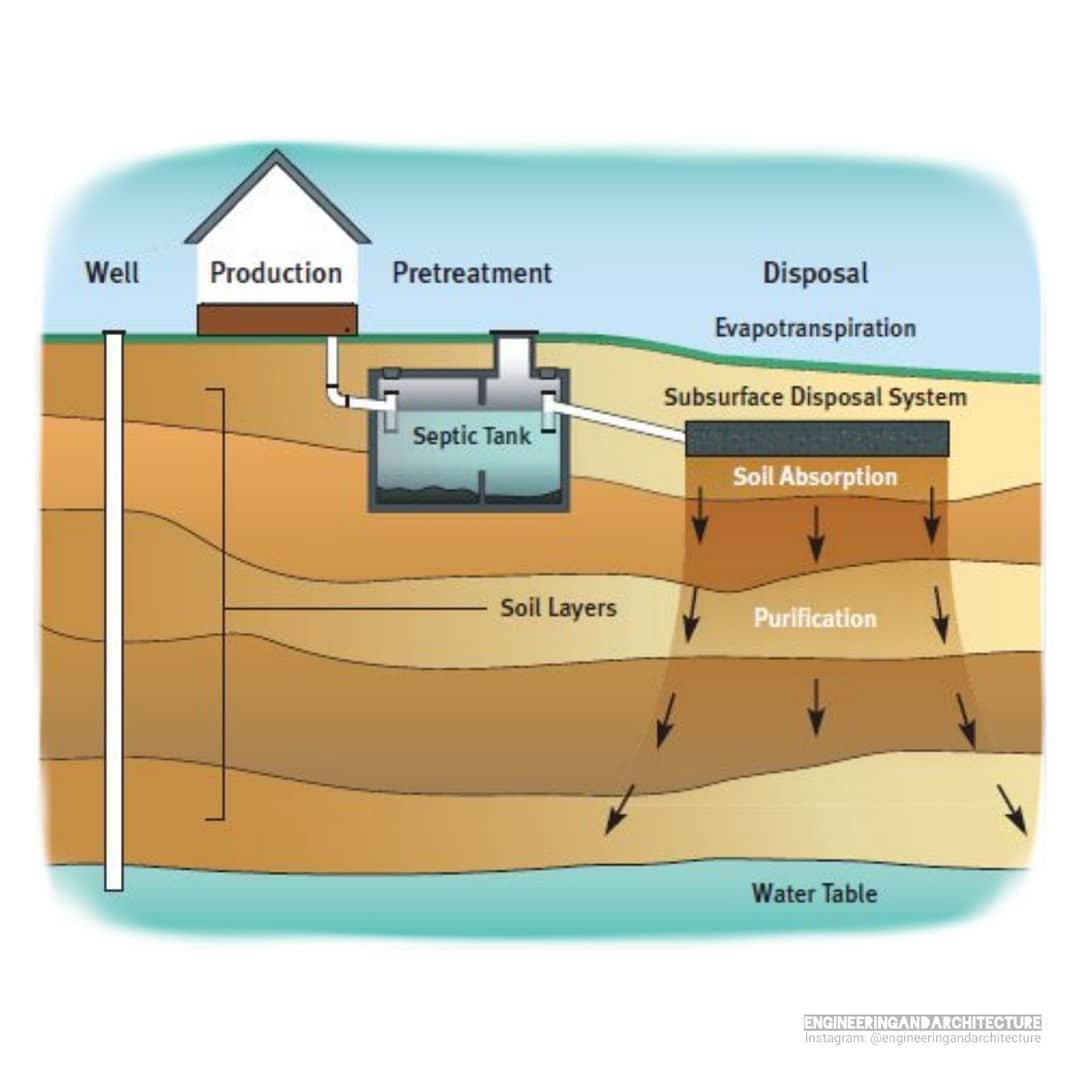
Tackling Septic Tank Clogs with DIY Cleaning Methods
Dealing with a clogged septic tank can be a smelly and inconvenient experience. While professional services are always an option, there are several DIY methods you can try to clear the clog and get your system back in working order. These methods involve a combination of natural solutions and careful techniques that are safe for your septic system and the environment.
Understanding Septic Tank Clogs
Septic tanks are designed to separate solids from liquids, with the solids settling at the bottom. Over time, these solids can build up, forming a sludge layer that can obstruct the flow of wastewater. This is where clogs often occur. Clogs can also form in the drainfield, where the treated wastewater is released into the soil. Signs of a septic tank clog include slow-draining sinks and toilets, gurgling sounds from drains, and sewage backing up into your home.
DIY Septic Tank Cleaning Methods
Before attempting any DIY methods, it's essential to understand the limitations of your system. If your septic tank is severely clogged or if you have a large-capacity system, professional help might be necessary. However, for minor clogs, these DIY techniques can provide relief:
1. Enzyme Treatment
Enzymes are biological agents that break down organic matter like grease, hair, and food waste. You can purchase septic tank enzyme treatments at hardware stores or online. Follow the manufacturer's instructions carefully. These enzymes work over time, typically several days or weeks, to break down the clog and improve drainage.
2. Baking Soda and Vinegar
This common household remedy can also be effective for mild clogs. Pour a cup of baking soda down the drain followed by a cup of white vinegar. The reaction between the two creates a fizzing action that can help loosen the clog. Let the mixture sit for 30 minutes before flushing with hot water.
3. Hot Water Flush
Sometimes, a simple flush of hot water can dislodge a minor clog. Run hot water for several minutes, gradually increasing the temperature, to try and melt away any grease or soap scum blocking the drain.
Preventive Measures
The best way to avoid septic tank clogs is to be proactive and practice good maintenance habits. Here are some tips to keep your system running smoothly:
- Avoid pouring grease, oil, or other fats down the drain.
- Use septic-safe cleaners and detergents that are biodegradable.
- Flush your toilet only when necessary.
- Schedule regular septic tank inspections and pumping.
- Be mindful of the amount of water you use. Avoid excessive laundry loads, long showers, or running water unnecessarily.
By implementing these DIY methods and practicing good maintenance habits, you can keep your septic tank functioning optimally and prevent costly repairs or replacements. Remember to always prioritize safety and consult a professional if you encounter any major issues or if you're unsure about any aspect of your septic system.
How to Resolve Septic Tank Odor Problems with Simple Fixes
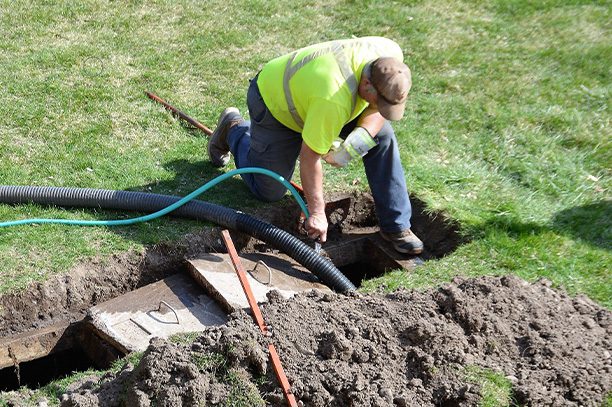
Conquering Septic Tank Odors: Simple Fixes for a Fresher Home
Ugh, that smell. That unmistakable, pungent aroma that wafts through your home and leaves you wondering if a skunk has taken up residence in your basement. It’s the dreaded septic tank odor, a problem that many homeowners face at some point. But fear not, dear reader! While septic systems are an essential part of rural living, the odors they sometimes produce don’t have to be a constant source of annoyance.
This guide will delve into the common culprits behind septic tank odors and arm you with simple, effective fixes to regain a fresh-smelling home. You’ll discover how to tackle the root cause of the problem and prevent it from recurring.
Understanding the Source of the Stench: Your Septic System’s Anatomy
First things first, let's get acquainted with the anatomy of your septic system. Think of it as a mini-wastewater treatment plant in your backyard, working tirelessly to break down your household waste. It’s a marvel of engineering!
Here’s a quick rundown:
- Septic Tank: This underground container is where the magic happens. Wastewater enters, solids settle to the bottom, and bacteria diligently break down the organic matter.
- Drainfield (or Leach Field): This network of perforated pipes, usually located in a gravel-filled area, filters the treated wastewater from the septic tank before it returns to the environment.
So where do the odors come from? The answer lies in the bacteria. While they're essential for breaking down waste, they also release gases as a byproduct. These gases can escape into your home through vents, cracks in the system, or even the drain itself.
Septic Tank Odor Detectives: Pinpointing the Problem
Now that we understand the basics, let's turn into septic tank odor detectives! To find the source of the stench, we need to think like a scientist. Start by carefully observing the following:
The Smell’s Location
Is the odor strongest in the bathroom, kitchen, basement, or throughout your home? This can give you a clue about where the leak or issue might be located.
The Smell’s Intensity
Is the odor constant or intermittent? Does it worsen after certain activities, like showering or running the washing machine? This can help you identify potential culprits.
The Smell’s Character
Is the odor more like rotten eggs (sulfur), sewage, or something else? The specific smell can point you towards certain causes. For example, a rotten egg smell might indicate a problem with the septic tank itself, while a sewage smell might signal a drainfield issue.
Simple Fixes for a Fresher Home
Once you've gathered your clues, it's time to implement some simple fixes. These solutions target common causes of septic tank odors, allowing you to combat the stench and prevent it from returning.
1. Vent System Check-up
Septic tanks are equipped with vents to release the gases that build up during the decomposition process. If these vents are clogged or malfunctioning, the gases can escape into your home instead. Here's what you can do:
- Inspection: Take a look at your septic vent on the roof. Is it clear of debris, such as leaves or bird nests?
- Cleaning: If you find any blockages, carefully remove them. A simple brush can be effective.
2. Drain Maintenance Routine
Clogged drains can back up wastewater, leading to unpleasant odors in your home. Here's a simple preventive measure:
- Regular Cleaning: Use a drain snake or plumber's plunger to clear blockages from your main drain line.
3. Reduce Water Usage
This might sound like a small change, but it can significantly reduce the workload on your septic system and minimize odor production. Here are a few tips:
- Take shorter showers: A few minutes less under the showerhead can make a difference.
- Fix leaky faucets: A slow drip can waste gallons of water over time.
- Use a low-flow showerhead: These fixtures conserve water while still providing a satisfying shower experience.
- Avoid overloading the system: Run your dishwasher and washing machine less frequently, and be mindful of the amount of water you use when watering your lawn.
4. Keep Your Drainfield Free and Clear
The drainfield is essential for filtering wastewater before it returns to the environment. Here's how to ensure it's functioning properly:
- Avoid heavy traffic: Don't drive or park vehicles on the drainfield area.
- Maintain landscaping: Keep trees and large shrubs away from the drainfield, as their roots can damage the pipes.
- Prevent waterlogging: Make sure the drainfield area is well-drained and doesn't become saturated with water.
5. Seek Professional Help
If the odors persist after trying these simple fixes, it's time to call in the experts. A licensed plumber or septic system specialist can diagnose the issue and recommend the most effective solutions.
Maintaining a Well-Functioning Septic System for a Fresher Future
Preventing septic tank odors is easier than fighting them. Here are some proactive steps to keep your system humming smoothly:
- Regular Pumpouts: Have your septic tank pumped out every 3-5 years, or more frequently if your system is heavily used. This removes accumulated solids and prevents potential overflows.
- Avoid Flushing Problematic Items: Don't flush items like sanitary wipes, paper towels, or cooking grease down the drain. These items can clog your pipes and disrupt the septic system's delicate balance.
- Use Septic-Safe Products: Choose detergents, cleaners, and soaps labeled "septic-safe". These products are designed to break down easily and won't harm the bacteria in your septic tank.
- Monitor Water Usage: Keep a close eye on your water usage habits. If you notice any unusual spikes or changes, investigate potential leaks or other issues.
Final Thoughts: Breathe Easy Again
Armed with this knowledge, you can take charge of your septic system and banish those unpleasant odors for good. Remember, a little proactive maintenance goes a long way in ensuring a healthy, odor-free home environment. And if you ever find yourself facing a stubborn odor, don't hesitate to call in a professional for assistance. After all, a fresh-smelling home is a happy home!
How to Clean Your Septic Tank Without Harsh Chemicals or Pumping

How to Clean Your Septic Tank Without Harsh Chemicals or Pumping
Hey there, fellow septic system owner! You're probably here because you're looking for ways to keep your septic system in tip-top shape without resorting to harsh chemicals or expensive pump-outs. Good news! You've come to the right place. Keeping your septic tank healthy is all about balance and a little bit of preventative maintenance. Let's dive in!
Understanding Your Septic System
Before we get into the "how-to" of cleaning, let's talk about what's happening down there in your septic tank. Think of your septic system like a mini-wastewater treatment plant in your backyard. Here's a quick rundown:
- Wastewater goes in: When you flush the toilet, wash your hands, or run the dishwasher, the water and waste flow through your pipes and into the septic tank.
- Solid waste settles: The heavier stuff (think toilet paper, food scraps) sinks to the bottom of the tank and forms a layer called sludge.
- Lighter solids float: The lighter stuff (think grease, oil, and hair) floats to the top and forms a layer called scum.
- Bacteria do their thing: A colony of helpful bacteria in the tank breaks down the solids and waste, turning them into a liquidy, less harmful substance.
- Clean water goes out: The partially treated water then flows out of the septic tank through a series of pipes and into the drain field. The drain field is where the water continues to be filtered before it slowly seeps back into the ground.
The whole process is pretty amazing, right? But like any system, it needs a little TLC to keep things running smoothly.
Why Avoid Harsh Chemicals?
You might be tempted to reach for those "septic tank cleaner" products at the store, but hold on a second. Those chemicals can actually do more harm than good! Here's why:
- Kill the good bacteria: Those powerful chemicals can wipe out the beneficial bacteria that are essential for breaking down waste. This throws off the whole system's balance.
- Damage your tank: Some chemicals can corrode the materials inside your septic tank, shortening its lifespan.
- Pollute the environment: Chemicals can leach into the groundwater and harm the environment, making their way into rivers, lakes, and even your drinking water.
It's best to stick with natural methods for keeping your septic tank clean!
Natural Methods for Keeping Your Septic Tank Clean
Now, let's talk about the good stuff: how to keep your septic tank clean without harsh chemicals or expensive pump-outs.
1. Mind Your Wastewater
The best defense against a clogged septic tank is a good offense! Here are some simple habits to adopt:
- Minimize grease and oil: Pour cooking oils and fats into a container and dispose of them properly (not down the drain!). Grease can solidify in your pipes and tank, causing blockages.
- Avoid flushing unwanted items: Don't flush things like disposable wipes, paper towels, cotton balls, or even too much toilet paper. They can build up and cause problems.
- Keep it to the basics: Use your toilet, sink, and shower for their intended purposes. Avoid dumping paint, cleaning solvents, or other chemicals down the drain.
- Be mindful of your garbage disposal: While a garbage disposal can seem convenient, it can add a lot of extra solids to your septic tank. Use it sparingly or avoid it altogether.
2. The Power of Bacteria
Remember those helpful bacteria we talked about? You can actually give them a boost! There are various bacterial additives you can buy at home improvement stores or online. These products contain beneficial bacteria that help break down waste faster and keep your tank healthier. Look for products specifically designed for septic systems and follow the instructions carefully.
3. Harness the Power of Yeast
Yeast, a common ingredient in baking, is a powerful digestive aid that can also help break down waste in your septic system. You can simply add a cup of active dry yeast to your toilet bowl every month or so. The yeast will multiply and work its magic in your septic tank, breaking down solids and preventing buildup. This is a natural, cost-effective alternative to harsh chemicals!
4. Regular Inspections
Even with the best practices, it's essential to have your septic system inspected regularly. A professional inspector can assess the health of your system, check for any issues, and recommend any necessary maintenance. This will help prevent bigger problems and ensure that your septic system is working efficiently.
5. Avoid Overloading Your System
Your septic tank has a limited capacity. If you're using a lot of water (taking long showers, running the dishwasher frequently), you could overwhelm your system. Try to reduce water usage to avoid overloading your tank.
6. Don't Forget the Drain Field
The drain field is the other crucial component of your septic system. Avoid parking vehicles or heavy machinery over the drain field, as this can compact the soil and hinder proper drainage. You can also help your drain field by planting grass or other low-maintenance plants that won't require excessive watering.
Signs of a Septic Tank Problem
Even with the best care, your septic system might need some attention. Pay attention to these warning signs:
- Slow drains: Water draining slowly in your sinks, tubs, or showers could mean a clog in your pipes or septic tank.
- Gurgling sounds: Gurgling noises from your drains might indicate a blockage in your septic system.
- Sewage odors: A strong sewage odor near your house or around the drain field is a clear sign that something is wrong with your system.
- Flooded drain field: If you see water pooling or standing around your drain field, it could mean that your septic system is overloaded.
If you notice any of these issues, it's essential to call a professional septic system inspector. Don't delay, as a small problem can quickly escalate into a bigger, more expensive issue.
Keeping Your Septic System Healthy for Years to Come
A healthy septic system is essential for your home's function and overall health. By practicing preventative maintenance, avoiding harsh chemicals, and paying attention to warning signs, you can keep your septic system running smoothly for years to come. Remember, a little care and attention now can save you a lot of headaches (and expense) down the road!
How to Clean Your Septic Tank Without Harsh Chemicals or Pumping
How to Clean Your Septic Tank Without Harsh Chemicals or Pumping
Hey there, fellow septic system owner! You're probably here because you're looking for ways to keep your septic system in tip-top shape without resorting to harsh chemicals or expensive pump-outs. Good news! You've come to the right place. Keeping your septic tank healthy is all about balance and a little bit of preventative maintenance. Let's dive in!
Understanding Your Septic System
Before we get into the "how-to" of cleaning, let's talk about what's happening down there in your septic tank. Think of your septic system like a mini-wastewater treatment plant in your backyard. Here's a quick rundown:
- Wastewater goes in: When you flush the toilet, wash your hands, or run the dishwasher, the water and waste flow through your pipes and into the septic tank.
- Solid waste settles: The heavier stuff (think toilet paper, food scraps) sinks to the bottom of the tank and forms a layer called sludge.
- Lighter solids float: The lighter stuff (think grease, oil, and hair) floats to the top and forms a layer called scum.
- Bacteria do their thing: A colony of helpful bacteria in the tank breaks down the solids and waste, turning them into a liquidy, less harmful substance.
- Clean water goes out: The partially treated water then flows out of the septic tank through a series of pipes and into the drain field. The drain field is where the water continues to be filtered before it slowly seeps back into the ground.
The whole process is pretty amazing, right? But like any system, it needs a little TLC to keep things running smoothly.
Why Avoid Harsh Chemicals?
You might be tempted to reach for those "septic tank cleaner" products at the store, but hold on a second. Those chemicals can actually do more harm than good! Here's why:
- Kill the good bacteria: Those powerful chemicals can wipe out the beneficial bacteria that are essential for breaking down waste. This throws off the whole system's balance.
- Damage your tank: Some chemicals can corrode the materials inside your septic tank, shortening its lifespan.
- Pollute the environment: Chemicals can leach into the groundwater and harm the environment, making their way into rivers, lakes, and even your drinking water.
It's best to stick with natural methods for keeping your septic tank clean!
Natural Methods for Keeping Your Septic Tank Clean
Now, let's talk about the good stuff: how to keep your septic tank clean without harsh chemicals or expensive pump-outs.
1. Mind Your Wastewater
The best defense against a clogged septic tank is a good offense! Here are some simple habits to adopt:
- Minimize grease and oil: Pour cooking oils and fats into a container and dispose of them properly (not down the drain!). Grease can solidify in your pipes and tank, causing blockages.
- Avoid flushing unwanted items: Don't flush things like disposable wipes, paper towels, cotton balls, or even too much toilet paper. They can build up and cause problems.
- Keep it to the basics: Use your toilet, sink, and shower for their intended purposes. Avoid dumping paint, cleaning solvents, or other chemicals down the drain.
- Be mindful of your garbage disposal: While a garbage disposal can seem convenient, it can add a lot of extra solids to your septic tank. Use it sparingly or avoid it altogether.
2. The Power of Bacteria
Remember those helpful bacteria we talked about? You can actually give them a boost! There are various bacterial additives you can buy at home improvement stores or online. These products contain beneficial bacteria that help break down waste faster and keep your tank healthier. Look for products specifically designed for septic systems and follow the instructions carefully.
3. Harness the Power of Yeast
Yeast, a common ingredient in baking, is a powerful digestive aid that can also help break down waste in your septic system. You can simply add a cup of active dry yeast to your toilet bowl every month or so. The yeast will multiply and work its magic in your septic tank, breaking down solids and preventing buildup. This is a natural, cost-effective alternative to harsh chemicals!
4. Regular Inspections
Even with the best practices, it's essential to have your septic system inspected regularly. A professional inspector can assess the health of your system, check for any issues, and recommend any necessary maintenance. This will help prevent bigger problems and ensure that your septic system is working efficiently.
5. Avoid Overloading Your System
Your septic tank has a limited capacity. If you're using a lot of water (taking long showers, running the dishwasher frequently), you could overwhelm your system. Try to reduce water usage to avoid overloading your tank.
6. Don't Forget the Drain Field
The drain field is the other crucial component of your septic system. Avoid parking vehicles or heavy machinery over the drain field, as this can compact the soil and hinder proper drainage. You can also help your drain field by planting grass or other low-maintenance plants that won't require excessive watering.
Signs of a Septic Tank Problem
Even with the best care, your septic system might need some attention. Pay attention to these warning signs:
- Slow drains: Water draining slowly in your sinks, tubs, or showers could mean a clog in your pipes or septic tank.
- Gurgling sounds: Gurgling noises from your drains might indicate a blockage in your septic system.
- Sewage odors: A strong sewage odor near your house or around the drain field is a clear sign that something is wrong with your system.
- Flooded drain field: If you see water pooling or standing around your drain field, it could mean that your septic system is overloaded.
If you notice any of these issues, it's essential to call a professional septic system inspector. Don't delay, as a small problem can quickly escalate into a bigger, more expensive issue.
Keeping Your Septic System Healthy for Years to Come
A healthy septic system is essential for your home's function and overall health. By practicing preventative maintenance, avoiding harsh chemicals, and paying attention to warning signs, you can keep your septic system running smoothly for years to come. Remember, a little care and attention now can save you a lot of headaches (and expense) down the road!
How to Reduce Septic Tank Smell with Odor Neutralizers
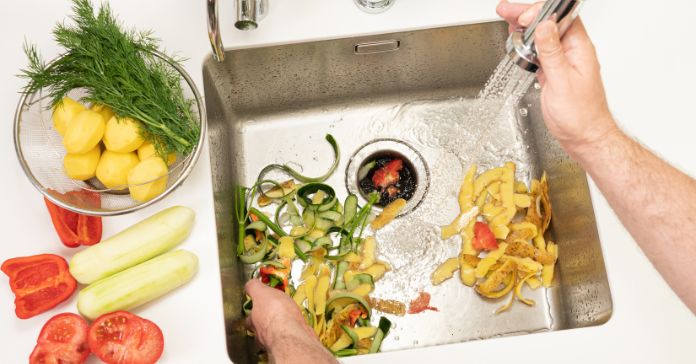
How to Reduce Septic Tank Smell with Odor Neutralizers
Septic systems are an essential part of many homes, providing a reliable and efficient way to manage wastewater. However, they can sometimes produce unpleasant odors, particularly if the system is not properly maintained. These odors can be embarrassing and even harmful to your health, making it crucial to address them promptly. One effective method to tackle septic tank smells is through the use of odor neutralizers.
Odor neutralizers work by targeting the source of the smell, which is typically hydrogen sulfide gas. They use various techniques to either mask the odor or neutralize the gas molecules, effectively eliminating the unpleasant scent. This article will delve into the different types of odor neutralizers, their effectiveness, and how to use them safely and efficiently.
Understanding Septic Tank Odors
Septic tank odors are primarily caused by the breakdown of organic matter in the tank. This process releases various gases, including hydrogen sulfide, which is responsible for the characteristic "rotten egg" smell. Other contributing factors include:
- Overloading the tank: Excessive waste accumulation can lead to anaerobic conditions, promoting odor-producing bacteria.
- Improper venting: Inadequate ventilation can trap gases within the system, allowing them to escape into the surrounding air.
- Leaks or cracks: Damage to the tank or pipes can allow odor-producing gases to escape into the environment.
- Improper maintenance: Neglecting regular maintenance, such as pumping out the tank, can exacerbate the problem.
Types of Odor Neutralizers
Several types of odor neutralizers are available to address septic tank smells. Each offers a unique approach to odor control, with varying degrees of effectiveness and safety:
Biological Odor Neutralizers
Biological odor neutralizers use beneficial bacteria and enzymes to break down the source of the smell â€" organic matter and hydrogen sulfide. These products typically come in liquid or tablet form and are added to the septic tank.
- Advantages: They are environmentally friendly, natural, and long-lasting. They can also improve the overall efficiency of the septic system by breaking down waste more effectively.
- Disadvantages: They may take some time to start working effectively, and their effectiveness can be affected by factors like temperature and pH levels.
Chemical Odor Neutralizers
Chemical odor neutralizers utilize chemicals to neutralize or mask the offensive odors. They often contain fragrances, enzymes, or odor-absorbing compounds.
- Advantages: They offer immediate odor reduction and are readily available.
- Disadvantages: They can be harsh on the environment, potentially impacting the beneficial bacteria in the septic system. Some chemicals may be hazardous to health if not used properly.
Natural Odor Neutralizers
Natural odor neutralizers utilize plant-based ingredients or natural minerals to absorb or neutralize odors. Some common options include:
- Activated carbon: This material has a porous structure that effectively traps odor molecules.
- Baking soda: It neutralizes acids, reducing the odor intensity.
- Vinegar: Its acidic properties can help neutralize odors.
- Essential oils: Certain essential oils, like lemon or lavender, can mask unpleasant odors with their pleasant fragrances.
How to Use Odor Neutralizers Effectively
To ensure maximum effectiveness and safety, follow these steps when using odor neutralizers:
- Identify the source of the smell: Before using any neutralizer, determine the source of the odor. This could be the tank itself, the leach field, or a pipe leak. This information will help you choose the appropriate product and application method.
- Read the product instructions carefully: Each odor neutralizer has specific instructions regarding dosage, application method, and safety precautions. Always adhere to these instructions to avoid potential risks.
- Use the correct type of neutralizer: As discussed earlier, different neutralizers are suitable for different situations. Biological neutralizers are generally preferred for long-term odor control, while chemical neutralizers offer faster results. Choose the one that best addresses your needs.
- Regularly maintain the septic system: Odor neutralizers can help manage odors, but they are not a substitute for proper septic system maintenance. Regularly pump out the tank, inspect the system for leaks, and ensure adequate ventilation to prevent odor buildup.
- Consider professional assistance: If the odor persists despite using odor neutralizers or if you suspect a more significant issue with your septic system, contact a qualified plumber or septic system specialist for professional diagnosis and repair.
Safety Precautions
While odor neutralizers can effectively combat septic tank smells, it's essential to use them safely and responsibly.
- Always wear appropriate personal protective equipment (PPE): This may include gloves, goggles, and a respirator, especially when handling chemicals or working in confined spaces.
- Store products properly: Follow the manufacturer's instructions for storage to ensure product stability and safety.
- Keep children and pets away: Store all odor neutralizers out of reach of children and pets to avoid accidental ingestion or contact.
- Ventilate the area: When using odor neutralizers, ensure good ventilation to minimize exposure to potentially harmful fumes.
Alternatives to Odor Neutralizers
While odor neutralizers are an effective solution for septic tank smells, other methods can also help manage odors:
- Improving septic system ventilation: Ensure the septic system has proper venting to prevent gas buildup.
- Regular pumping and maintenance: Regular pumping and maintenance of the septic system can minimize the accumulation of waste and reduce odor production.
- Using natural air fresheners: Place bowls of baking soda or vinegar around the house to absorb odors.
Conclusion
Septic tank odors can be a nuisance, but they can be effectively managed with the help of odor neutralizers. By understanding the different types of neutralizers, their application methods, and safety precautions, you can choose the most suitable product for your needs and effectively control unpleasant odors. Remember that proper septic system maintenance is essential for preventing odor buildup and ensuring the long-term health and efficiency of your system.
Tips for Dealing with Septic Tank Smells Outdoors

Dealing with Septic Tank Smells Outdoors: A Guide to Fresh Air
Let’s face it, septic tank smells are never pleasant. That lingering, pungent odor can quickly turn a relaxing backyard gathering into a smelly situation. But before you break out the air freshener, it’s important to understand the root of the problem and find a solution that’s both effective and long-lasting. Here’s a comprehensive guide to tackling those pesky septic tank smells, bringing back the fresh air to your outdoor space.
Understanding Septic Tank Smells
The culprit behind those unsavory smells is usually hydrogen sulfide gas, a byproduct of the breakdown of organic matter in your septic tank. This gas can escape through vents, cracks, or even the drain field, creating that signature "rotten egg" aroma. But don't worry, there are ways to minimize or eliminate these smells.
Prevention is Key: Keeping the Smell at Bay
The best approach to dealing with septic tank odors is to prevent them in the first place. Here are some proactive steps you can take:
1. Regular Maintenance: The Foundation of a Healthy System
Regularly scheduled septic tank pumping is crucial. Think of it like a car oil change; neglecting it can lead to bigger problems down the road. A professional pump-out every 3-5 years (or sooner if your tank fills up faster) will keep the solids from overflowing into the drain field. This not only prevents odors but also avoids system backups and costly repairs.
2. Wise Waste Management: Minimizing Septic Tank Strain
What goes down the drain has a direct impact on your septic system. Avoid flushing items like:
- Flushable wipes: Despite their marketing, they don't break down like toilet paper and can clog your system.
- Disposable diapers: Choose cloth diapers if possible, or properly dispose of disposables in a trash receptacle.
- Excessive amounts of grease and oil: These can solidify and create blockages.
- Hair: Use hair traps in your shower and bathtub to catch strands before they go down the drain.
Additionally, be mindful of the chemicals you use. Harsh cleaners and disinfectants can disrupt the bacteria responsible for breaking down waste in your tank. Opt for biodegradable, septic-safe alternatives whenever possible.
3. Keep Things Flowing: A Smooth Journey for Waste
To prevent backups and ensure your septic system operates efficiently, avoid overloading your system. Try these tips:
- Spread out laundry loads: Don't run multiple large loads of laundry back-to-back, as this can put a strain on your system.
- Run water sparingly: Taking short showers and washing dishes with minimal water can help minimize the overall volume going into your system.
- Flush toilets only when necessary: Avoid flushing things like paper towels, tissues, and other waste that can contribute to clogs.
Addressing Existing Septic Tank Odors
If you're already dealing with those unpleasant smells, don’t panic. Here are some solutions to help you get back to enjoying your outdoor space:
1. Identifying the Source: Pinpointing the Trouble Spot
Before taking action, try to figure out where the odor is coming from. Is it the drain field? The septic tank itself? Or perhaps a cracked pipe? Once you know the source, you can tailor your approach.
2. A Quick Fix: Temporary Odor Control
To mask the odor in the short term, consider these options:
- Baking soda: Sprinkle some baking soda over the drain field or around the septic tank. Baking soda’s natural odor-absorbing properties can help neutralize unpleasant smells.
- Activated charcoal: Place bowls of activated charcoal around the area where the smell is strongest. Activated charcoal’s porous structure traps odors, effectively reducing their intensity.
- Vinegar: A solution of equal parts water and vinegar can be poured into the drain field or septic tank. The vinegar’s acidity helps neutralize odors and potentially break down some blockages.
3. Professional Help: When DIY Isn't Enough
If your efforts to manage the odor are unsuccessful, it’s time to call in the professionals. A certified septic inspector can diagnose the problem and recommend a solution. They can assess the tank and drain field, check for leaks, and even locate the source of the odor. This expert help is crucial to ensure that you’re addressing the issue effectively and preventing further damage to your system.
Additional Tips to Keep in Mind
Here are a few extra tips to help you combat those septic tank smells:
- Invest in a vent fan: Install a vent fan near the septic tank or drain field. This fan will help pull away foul odors, creating a more pleasant outdoor environment.
- Improve airflow: Trim back any vegetation growing near your drain field or septic tank. Good airflow will help disperse odors more effectively.
- Stay informed: Educate yourself about your specific septic system and its maintenance needs. Understanding the system's workings will help you proactively prevent issues and odors.
- Don't ignore the warning signs: Pay attention to other signs of a septic system problem, such as slow drains, gurgling noises, or standing water in the yard. Addressing these issues promptly can prevent bigger problems later.
Remember, a smelly septic tank can be a sign of a bigger problem. By taking preventive measures and seeking professional help when needed, you can avoid unpleasant odors and keep your septic system working efficiently for years to come. So breathe easy, and enjoy the fresh air in your outdoor space!
Understanding Why Bathrooms Smell Like a Septic Tank

The Stinky Truth: Why Your Bathroom Smells Like a Septic Tank
You’re getting ready for a relaxing shower, but as soon as you step inside the bathroom, a wave of that unmistakable septic tank smell hits you. Ugh, what a way to start your day! This smell can be embarrassing, especially if you have guests over. But before you panic and call a plumber, let's dig a little deeper and figure out why your bathroom smells like a sewage treatment plant.
There are many reasons why your bathroom could be letting off a pungent, sewer-like odor. It could be a simple fix like a dry trap, or it could be something more serious like a cracked sewer line.
Don't worry, we're going to cover all the bases and arm you with the knowledge you need to tackle this stinky situation.
Common Culprits for Bathroom Odors
Let's dive into the most common reasons your bathroom is smelling less than fresh:
1. Dry Plumbing Traps
Think of plumbing traps as the unsung heroes of your plumbing system. They're those curved sections of pipe under your sinks and tubs, designed to hold a bit of water. This water acts as a barrier, preventing sewer gases from escaping into your bathroom.
But what happens when the water in these traps evaporates? The barrier disappears, and those sewer gases have free rein to waft into your space.
How to Fix It: The easiest solution is to pour a cup of water down the drain. This will refill the trap and seal off those smelly gases. If you find yourself pouring water down the drain regularly, it might be time to look into a more permanent solution like a trap primer. These products help keep water in the trap, preventing evaporation.
2. Faulty Vent Stack
Your vent stack is like the air conditioner for your plumbing system. It's that pipe sticking up through your roof, allowing air to flow in and out of your plumbing system. This air flow helps to keep your system from getting clogged and prevents the dreaded sewer gases from escaping.
If your vent stack is blocked or damaged, the pressure in your system can build up, forcing sewer gases out through the least resistant path â€" often your bathroom drains.
How to Fix It: This problem is best tackled by a professional plumber. They can inspect your vent stack, identify any blockages or damage, and make the necessary repairs.
3. Clogged Drains
Hair, soap scum, and other debris can build up in your drains, creating a blockage. This blockage can prevent water from flowing freely, leading to a backup of sewage and those infamous sewer smells.
How to Fix It: For minor clogs, you can try a plunger or a drain snake. However, for more serious clogs, it's best to call a plumber. They have specialized tools and techniques to clear even the toughest clogs.
4. Leaky Pipes
If your pipes are leaking, it's not only a waste of water, but it can also lead to a sewer odor. Leaking pipes can create dampness and mold, which can contribute to the smell. Plus, leaking sewage pipes can directly release those unpleasant sewer gases into your bathroom.
How to Fix It: Leaky pipes need immediate attention. Call a plumber to assess the damage and determine the best course of action.
5. Problems with Your Septic System
If you have a septic system, a sewer-like smell might be a sign that your system is overloaded or malfunctioning. This can happen due to a number of factors, such as:
- Too much water being discharged into the system
- Clogged drain field
- Broken or cracked pipes
- Old or poorly maintained system
How to Fix It: A professional septic system inspector can diagnose the problem and recommend a solution. This could range from simple maintenance to a more complex system repair or even replacement.
6. Poor Bathroom Ventilation
Just like a stuffy room can become stale, a poorly ventilated bathroom can trap odors. If your bathroom doesn't have a proper exhaust fan, or if the fan isn't working correctly, the smells from your drains and toilet can linger.
How to Fix It: Make sure your exhaust fan is working properly and running for an adequate amount of time after using the bathroom. Open windows for natural ventilation whenever possible.
Taking Action: Sniffing Out the Source
Now that you understand the potential causes of your bathroom odor, it's time to investigate. Here are some tips for sniffing out the source:
- First, pinpoint the smell. Is it coming from the toilet, the shower drain, or somewhere else in the bathroom? This will help you narrow down the potential causes.
- Check the traps under your sinks and tubs. Are they full of water? If not, pour some water down the drain to refill the trap.
- Run some water in your shower and tub. This will help to activate the traps and flush out any lingering odors.
- Inspect the vents and pipes in your bathroom. Are there any signs of leaks, cracks, or blockages? If you spot any issues, it's time to call in a professional.
- Don't forget to check your septic system (if you have one). A professional inspection can rule out any problems with your septic tank or drain field.
Preventing Future Odors
Once you've addressed the source of the smell, it's time to take steps to prevent it from happening again.
- Maintain your bathroom's hygiene. Clean your drains regularly with baking soda and vinegar, and use a toilet bowl cleaner to keep your toilet fresh.
- Run your exhaust fan after every shower and bath. This will help to remove moisture and odors.
- Avoid pouring grease down the drain. It can solidify and cause clogs.
- Use a drain strainer. This will help to prevent hair and other debris from clogging your drains.
- Have your septic system inspected regularly. This will help to ensure that your system is operating properly and prevent future problems.
Remember, a smelly bathroom is not something you have to live with. By understanding the potential causes and taking the right steps, you can banish those unwanted sewer odors and reclaim your bathroom's fresh scent.