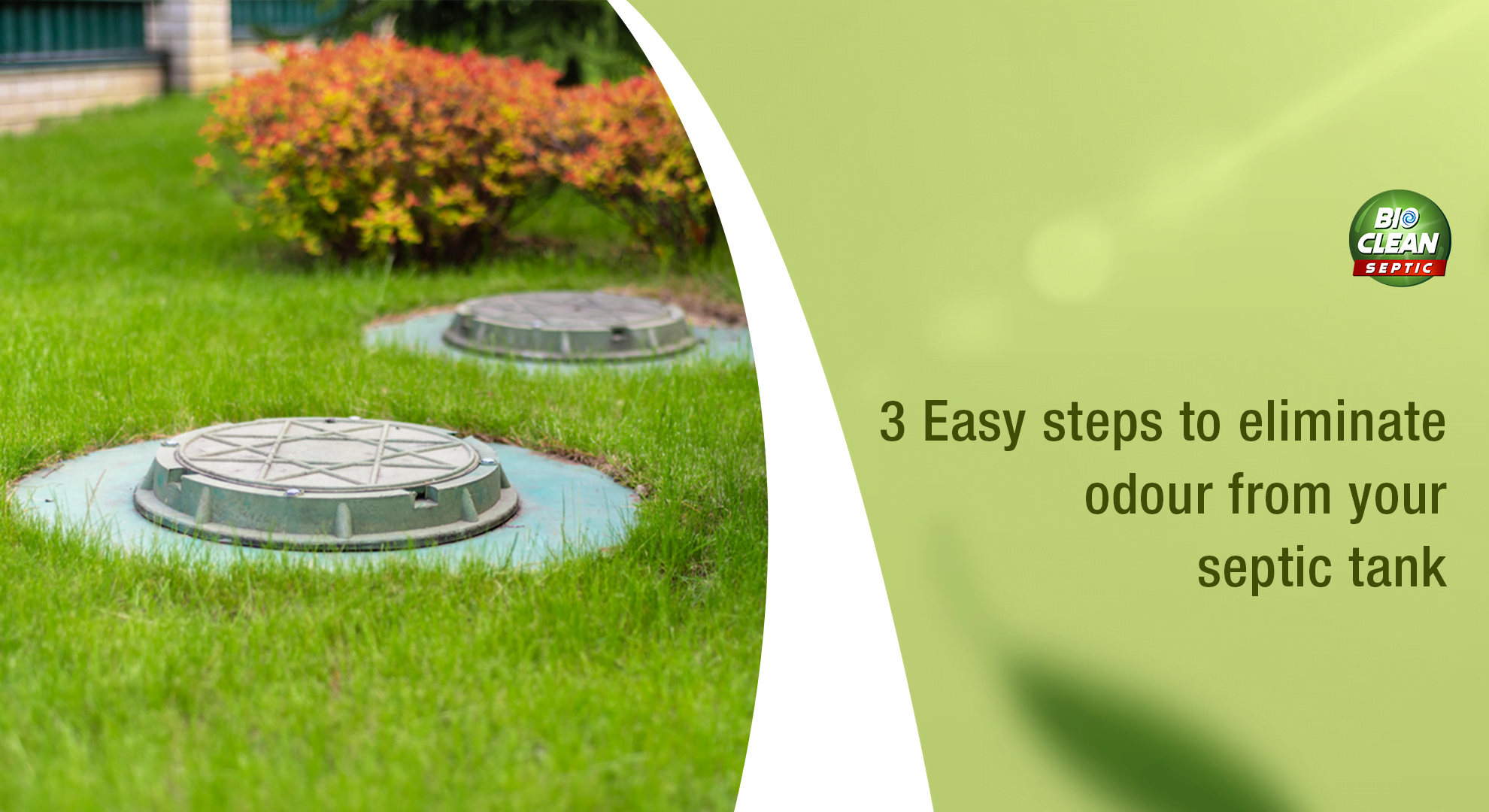
Let's face it, nobody wants their home smelling like a sewage treatment plant. But for those of us with septic systems, that's a very real possibility if we're not careful. The good news is that maintaining your septic system isn't rocket science, and a few simple steps can keep those unpleasant odors at bay. Think of it as a friendly partnership with your septic system, a symbiotic relationship where you both benefit.
First, let's talk about the basics. Your septic system is a hidden hero, silently processing wastewater from your house. It's essentially a mini-sewage treatment plant, breaking down waste and releasing clean water back into the environment.
The Players:
The Septic Tank: This is the main event. It's where the magic happens, with bacteria breaking down solids and grease into sludge and scum.
The Drain Field: This network of underground pipes is where the treated water flows. It's basically a giant filter, allowing the water to soak into the soil.
The Enemy:
Grease and Oils: Think fats, cooking oils, and even those yummy creamy sauces. These slick substances don't break down easily and can clog your septic system, leading to backups and smells.
Solid Waste: Food scraps, wipes, and other non-biodegradable materials can build up in your tank and interfere with the natural breakdown process.
Too Much Water: Frequent use of washing machines, showers, and dishwashers can overload your septic system, leading to poor drainage and odors.
Here's how to keep those stinky vibes at bay:
1. The Grease Police:
Don't pour grease down the drain! It's the ultimate culprit behind septic system problems. Instead, pour cooled grease into a container and toss it in the trash.
Use a grease trap: If you're a serious cook, consider installing a grease trap in your kitchen sink. This will catch grease before it goes down the drain.
Go for biodegradable cleaning products: Many commercial cleaners are harsh on your septic system. Opt for natural and biodegradable alternatives instead.
2. Don't Flush It!
Toilet paper only! Avoid flushing anything other than toilet paper down the drain, including wipes, cotton balls, and dental floss. They can cause blockages and lead to those unpleasant smells.
Say no to flushable wipes! While they might say "flushable," many don't break down easily and can cause serious problems for your septic system. Stick to regular toilet paper!
3. Water Wise is Septic Wise:
Limit your laundry: Wash clothes in full loads to reduce water usage.
Take shorter showers: Every little bit helps!
Fix any leaks: A leaky faucet can quickly add up to a lot of wasted water, potentially overwhelming your system.
4. Regular Inspections and Maintenance:
Get a septic tank inspection every 3-5 years: This will ensure that your system is operating efficiently and identify any potential problems.
Pump your tank every 3-5 years: Sludge and scum can build up in your tank over time, requiring a professional pump to remove it.
Add bacteria: Septic tank bacteria helps break down waste. Consider adding a bacterial supplement to your tank every few months to boost the process.
5. The "Smelly" Signs:
A persistent foul odor: This is the most obvious sign of a problem.
Slow draining toilets or sinks: This could indicate a clog or a backup in your septic system.
Pooling water in your yard: This could mean that your drain field is failing.
Sewer gurgling sounds: These sounds could indicate a clog or a vent problem.
If you notice any of these signs, don't ignore them! Contact a professional septic service right away. Early detection and repair can save you a lot of money and headaches down the road.
Remember, taking care of your septic system doesn't have to be a chore! By following these simple tips, you can keep those unwanted smells away and keep your septic system running smoothly for years to come. Think of it as a small investment in a big comfort - a clean-smelling home and a happy septic system.


