The aroma of a malfunctioning septic system is an olfactory assault few homeowners wish to experience. An unwelcome intrusion into your home, it can be a source of embarrassment and discomfort, often accompanied by the anxiety of potential health risks. Fortunately, preventing the spread of these unpleasant odors is achievable with proactive maintenance and a comprehensive understanding of the underlying causes. This article will provide a detailed roadmap to effectively eliminate septic tank smells from your home, enabling you to regain control of your living space and enjoy a fresh, odor-free environment.
Understanding the Root of the Problem: Delving into Septic Tank Odors
Septic tank smells are a telltale sign of a malfunctioning system, indicating that the process of breaking down waste is compromised. This unpleasant odor stems from the release of volatile sulfur compounds (VSCs), produced by bacteria during the decomposition process. These gases, primarily hydrogen sulfide (H2S), are responsible for the distinct "rotten egg" smell.
Several factors can contribute to the spread of these odors throughout your home:
System Overload: When the septic tank becomes overloaded with waste, the bacteria cannot effectively break it down, resulting in an increase in VSCs. This is often due to excessive water usage, improper disposal of fats, oils, and grease (FOG), or the presence of large quantities of non-biodegradable materials.
Failing Drainfield: The drainfield, responsible for filtering wastewater before it returns to the environment, can become clogged with debris, reducing its efficiency. When this occurs, wastewater can back up into the tank, leading to a buildup of VSCs and an increase in odor.
Defective Plumbing: Leaky pipes or poorly sealed connections can allow sewer gas to escape from the septic system and enter your home. These leaks can occur in the plumbing leading to the tank, within the tank itself, or in the vent pipes that allow gases to escape safely.
Poor Ventilation: A well-ventilated septic system is crucial to prevent odor buildup. Poor ventilation can result from blocked vent pipes, inadequate air circulation around the tank, or a lack of sufficient vent openings.
Age and Maintenance: An aging septic system is more susceptible to odor problems due to wear and tear. Regular maintenance, including pumping and inspections, is critical to prevent the buildup of solids and ensure proper functionality.
Preventing the Invasion: Implementing Effective Odor Control Strategies
Addressing the underlying causes of septic tank odor is essential to achieving a long-term solution. Here's a comprehensive approach:
1. Optimize Your Wastewater Management:
Reduce Water Usage: Implementing water-saving measures in your home can significantly reduce the volume of wastewater entering your septic system. Consider low-flow showerheads, water-efficient toilets, and washing machines with smaller loads.
Proper Waste Disposal: Avoid flushing non-biodegradable items such as wipes, paper towels, feminine hygiene products, and medications down the toilet. These items can clog the system and inhibit the breakdown of waste.
Avoid FOG: Fats, oils, and grease (FOG) are major contributors to septic system issues. Dispose of them properly by scraping them into a container and throwing them in the trash.
Regular Inspection and Pumping: Schedule regular inspections and pumping of your septic tank, ideally every 3-5 years, depending on the size of your tank and household usage. Professional inspection allows for early detection of issues and helps maintain the system's optimal functioning.
2. Ensure Proper Drainfield Function:
Minimize Load: Avoid excessive watering of lawns and gardens directly over the drainfield, as this can overload the system and impede its ability to filter wastewater.
Prevent Contamination: Keep vehicles, heavy machinery, and other potential sources of contamination away from the drainfield area.
Regular Inspection and Maintenance: Have your drainfield inspected regularly for signs of clogging or damage. Ensure proper drainage and prevent the accumulation of debris.
3. Address Plumbing Issues:
Inspect and Repair Leaks: Thoroughly inspect all plumbing fixtures and pipes connected to the septic system for leaks. Address any leaks promptly to prevent sewer gas from entering your home.
Ensure Proper Sealing: Check the connections between pipes and fixtures for loose or damaged seals. Replace worn-out seals with high-quality, watertight alternatives.
Maintain Vent Pipes: Regularly check vent pipes for blockages and ensure proper air circulation. Clean any obstructions and ensure the pipes are free from rust or damage.
4. Enhance Ventilation:
Adequate Vent Pipe Placement: Ensure the vent pipe leading from the septic tank to the roof is properly positioned and adequately sized to allow for efficient air circulation.
Avoid Obstructions: Keep the vent pipe and surrounding area clear of obstructions such as trees, shrubs, or debris.
Install Fan Ventilation: Consider installing a vent fan above the tank to enhance air circulation and remove odors.
5. Utilize Odor Neutralizers:
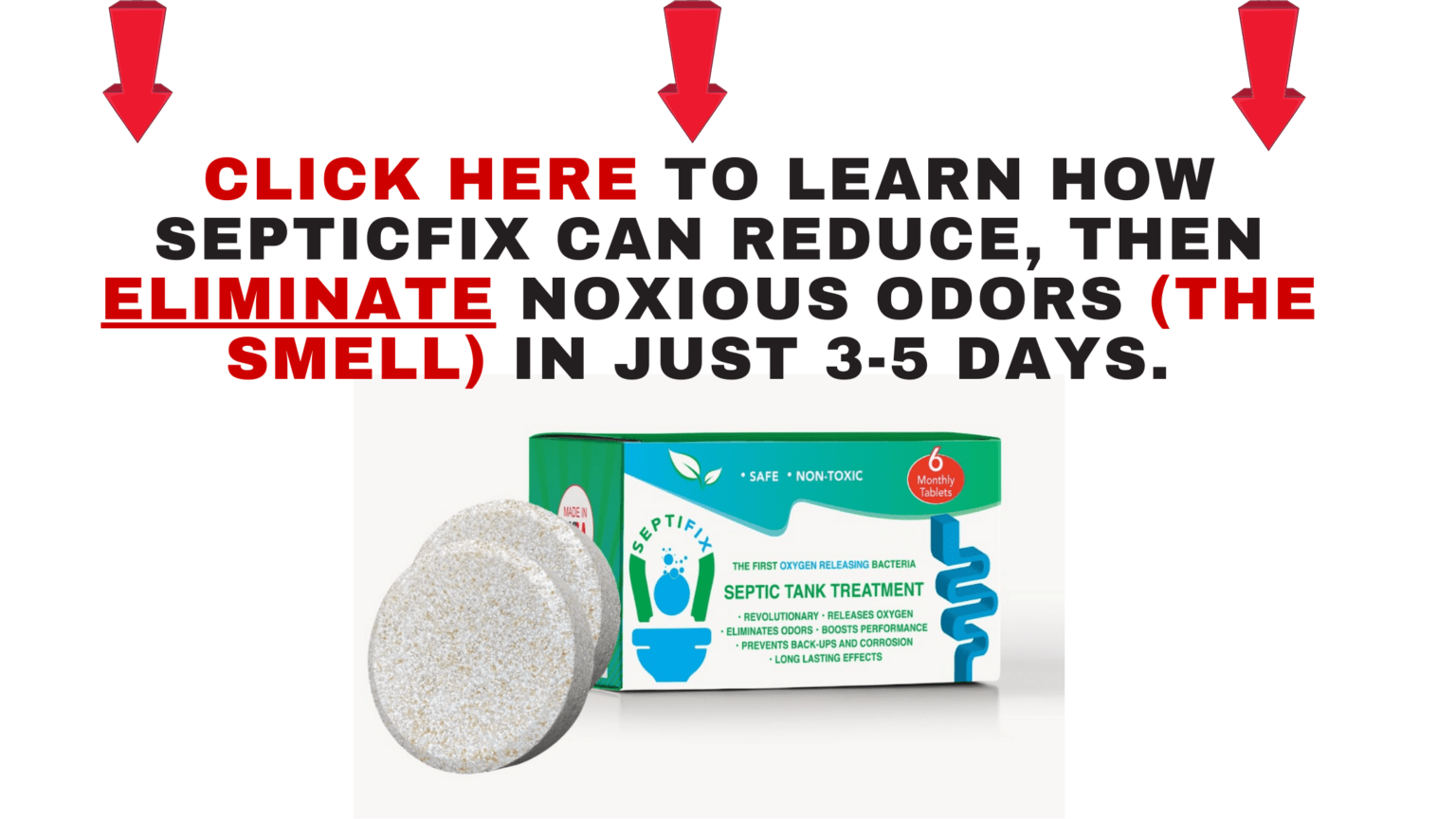
Biological Treatments: Introduce beneficial bacteria into the septic tank to help break down waste more effectively. These bacteria can be purchased in liquid or tablet form.
Chemical Neutralizers: While less environmentally friendly, certain chemical neutralizers can be added to the septic tank to mask odors. Use these products sparingly and follow the manufacturer's instructions carefully.
Activated Carbon Filters: Activated carbon filters can absorb odors and improve air quality in your home. Place them strategically near the source of the odor.
6. Addressing Existing Odors:
Ventilate: Open windows and doors to air out the house, particularly in the affected areas. Use fans to circulate fresh air.
Deodorize: Place bowls of baking soda or vinegar in the affected areas to absorb and neutralize odors.
Neutralize Carpets and Upholstery: Steam clean carpets and upholstery to remove odors. Consider using an odor-eliminating spray.
Clean Drains: Regularly clean drains with a baking soda and vinegar solution or a commercial drain cleaner to prevent odor buildup.
Seeking Professional Help:
If you've exhausted the above steps and the odors persist, it's time to seek professional assistance. A qualified septic system technician can diagnose the problem, identify the root cause, and recommend the most effective solution.
Prevention is Key: Long-Term Solutions for a Fresh Home
By implementing the strategies outlined above, you can effectively prevent septic tank smells from spreading throughout your home. Remember that regular maintenance and proactive approaches are crucial to avoid these issues and maintain the optimal functioning of your septic system. A well-maintained septic system not only eliminates unpleasant odors but also ensures your home's sanitation and safety.


