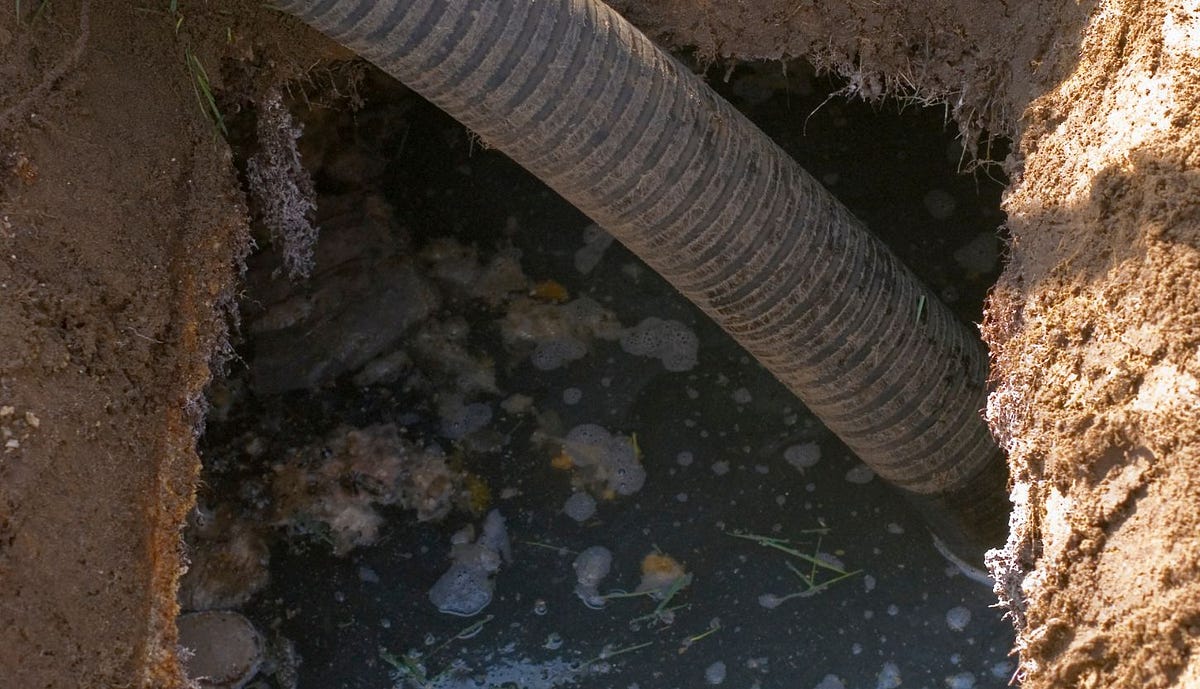
The Most Common Causes of Septic Tank Odors in the Bathroom
A septic system is a crucial part of many homes, providing an alternative to traditional sewer lines. However, when things go wrong, the consequences can be unpleasant, leading to unpleasant odors that permeate the bathroom. Septic tank odors can be a source of discomfort and embarrassment, signaling an underlying issue that requires attention. Understanding the common causes behind these odors is essential for addressing the problem effectively.
Understanding Septic Tank Systems
To grasp the origins of septic tank odors, it's crucial to have a basic understanding of how septic systems work. A typical septic system consists of two main components:
The Septic Tank:
This underground container receives wastewater from the house. Solid waste settles at the bottom, forming sludge, while lighter materials like grease and oils float to the top, forming a layer known as scum. Bacteria break down the waste in the septic tank, separating the solids from the liquids.
The Drainfield:
The effluent (liquid portion) from the septic tank flows into the drainfield, a series of underground trenches filled with gravel. Here, the effluent is further filtered and treated by beneficial bacteria before being released back into the environment.
Common Causes of Septic Tank Odors in the Bathroom
Odors in the bathroom emanating from the septic system can be a result of several issues, each requiring a specific approach to rectify.
1. Full or Overflowing Septic Tank:
When the septic tank becomes full, the solids cannot be broken down effectively, leading to a buildup of bacteria and gases. As the tank reaches its capacity, the sludge and scum can begin to enter the drainfield, potentially clogging it and hindering the proper filtration process. This can cause a pungent, foul odor that permeates the bathroom.
2. Clogged Drainfield:
The drainfield is crucial for filtering and releasing treated wastewater. Over time, a buildup of solids, grease, or roots can clog the drainfield, restricting the flow of effluent and causing a backup. A clogged drainfield can lead to an unpleasant odor in the bathroom and throughout the house.
3. Faulty Septic Tank Components:
Cracks, leaks, or other damage to the septic tank or its components can create pathways for foul-smelling gases to escape. Damaged pipes, faulty baffles, or a cracked tank can lead to a release of these odors directly into the bathroom or other areas of the house.
4. Poor Ventilation:
While a septic tank naturally produces some gases, proper ventilation is essential to prevent these gases from accumulating and escaping into the bathroom. Poorly ventilated bathrooms can trap these gases, contributing to the unpleasant odor.
5. Excessive Water Usage:
Using excessive amounts of water, such as during long showers or frequent laundry cycles, can overload the septic system. This can lead to a buildup of waste and a release of odors into the bathroom. Try to minimize water usage, particularly during peak periods.
6. Improper Flushing Habits:
Flushing items that are not meant for the septic system, such as non-biodegradable wipes, paper towels, or food scraps, can contribute to clogging and odors. Make sure to only flush toilet paper and human waste down the toilet.
7. Chemical Usage:
Using harsh chemicals, such as bleach or drain cleaners, can disrupt the beneficial bacteria in the septic tank, making it less effective at breaking down waste. This can lead to a buildup of odors and potentially harm the overall health of the septic system.
Addressing Septic Tank Odors: Prevention and Solutions
Tackling septic tank odors requires a combination of preventative measures and proactive solutions.
1. Regular Pumping:
The most effective way to prevent odors is to schedule regular septic tank pumping. Pumping removes accumulated solids and scum, ensuring that the tank remains operational and prevents backups and odors.
2. Inspecting the Drainfield:
It's important to periodically inspect the drainfield for any signs of clogging or damage. Signs of a clogged drainfield include slow draining sinks or toilets, wet spots in the yard, or a musty odor.
3. Maintaining Proper Ventilation:
Ensure adequate ventilation in the bathroom and around the septic system. This helps to prevent the accumulation of gases and their release into the bathroom.
4. Conserving Water:
Reduce water usage by taking shorter showers, fixing leaks, and using water-efficient appliances. This will reduce the strain on the septic system and minimize the risk of overflows and odors.
5. Avoiding Harmful Substances:
Avoid flushing non-biodegradable items down the toilet and limit the use of harsh chemicals. Use biodegradable products and dispose of waste responsibly.
Calling a Professional
If the odor persists despite preventative measures, it's crucial to contact a qualified septic system professional. A professional can diagnose the underlying cause of the odors and provide appropriate solutions, such as:
A professional can also provide valuable advice on proper septic system maintenance and help you prevent future odor issues.
Conclusion
Septic tank odors in the bathroom can be a sign of various problems, ranging from a full tank to a clogged drainfield. Understanding the potential causes and implementing preventative measures is crucial for maintaining a clean and odor-free bathroom environment. Regular maintenance, proper usage, and prompt professional intervention are essential for keeping your septic system running smoothly and preventing unpleasant odors.


