How to Keep Your Septic Tank Free from Clogs Using Natural Methods
Hey there, fellow homeowner! Let's talk septic systems. They're like the unsung heroes of our homes, quietly and efficiently handling our waste. But just like any hardworking system, they need a little TLC to keep them running smoothly. And that's where natural methods come in. So grab a cup of coffee, settle in, and let's dive into the world of keeping your septic tank clog-free!
Understanding Septic Systems
First things first, let's talk about what a septic system actually is. It's a self-contained wastewater treatment system that's commonly found in homes that aren't connected to a public sewer system. Basically, it's a mini-treatment plant in your backyard! It consists of a tank (where solids settle) and a drain field (where the filtered wastewater is discharged).
The key to keeping your septic system happy and clog-free is understanding how it works. Think of it like a delicate ecosystem: you need to keep the good bacteria thriving to break down the waste effectively. So, let's talk about how we can do that naturally.
Natural Methods for Septic Tank Maintenance
Let's get down to the nitty-gritty! Here are some tried-and-true natural methods to keep your septic tank happy and clog-free:
1. Embrace the Power of Microbes
Believe it or not, those tiny bacteria are your best friends when it comes to your septic system. They work tirelessly to break down the solids and keep things moving smoothly. You can help them out by feeding them with things they love!
- Yeast: A little bit of yeast sprinkled down the drain can help those bacteria multiply and break down the waste more efficiently.
- Vinegar: Vinegar is a natural cleaning agent that can help break down grease and grime, making it easier for the bacteria to do their job.
- Baking soda: Baking soda can also help to neutralize odors and create a more alkaline environment, which is ideal for bacteria growth.
- Compost: If you're a gardener, consider diverting your compost to your septic tank every few months. It provides a rich source of nutrients and helpful bacteria.
2. Be Mindful of What You Flush
The golden rule of septic tank maintenance is: if it's not pee, poo, or toilet paper, it doesn't belong in the toilet!
- Avoid flushing:
- Flushable wipes: They may say "flushable," but they're often not biodegradable and can cause major clogs in your drain field.
- Paper towels: They're not designed to break down like toilet paper and can build up in your system.
- Feminine hygiene products: These products are also not biodegradable and can cause clogs.
- Disposable diapers: While they're made to break down, they can still put a strain on your septic system.
- Be cautious with:
- Grease and oil: Grease and oil can solidify in your pipes and contribute to clogs. Use a strainer to catch them and dispose of them properly.
- Hair and lint: Hair and lint can also build up in your pipes, so use drain screens to catch them.
- Excessive amounts of chemicals: Chemicals like bleach, disinfectants, and paint thinners can kill the beneficial bacteria in your septic tank. Use these products sparingly, or consider using natural alternatives.
3. Water Wisely
Did you know that your septic tank actually relies on a healthy amount of water to keep everything flowing smoothly? So, let's talk water usage:
- Run water after use: Flush your toilet and run water in the sink for a few seconds after showering or washing dishes. This helps to keep the pipes clean and prevents clogs.
- Fix leaks promptly: Leaks in your plumbing can lead to excess water entering your septic system, which can overload it. Fix any leaks as soon as possible!
- Water conservation: While you want to maintain a healthy water flow, you also don't want to overwhelm your system. Use water-saving appliances and practice water conservation techniques.
4. Don't Forget the Basics
There are a few basic things you can do to help keep your septic system in tip-top shape:
- Inspect your system regularly: Get your septic tank inspected every 3-5 years by a qualified professional.
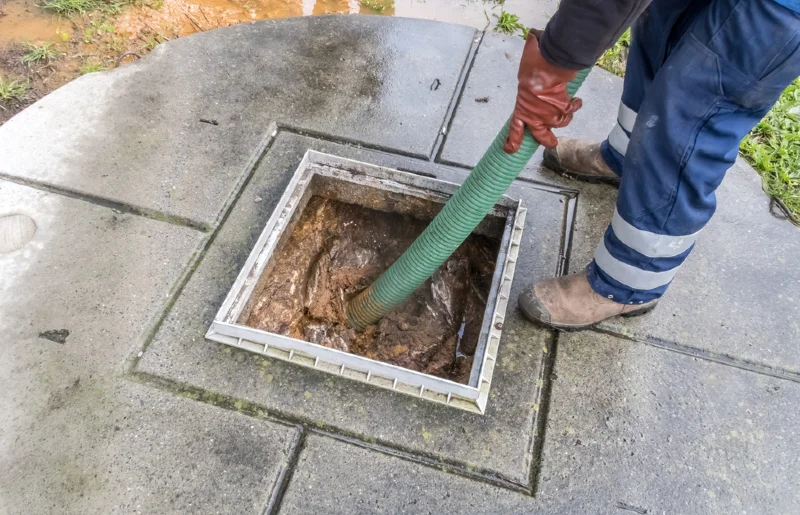
- Pump your tank: A full septic tank is a recipe for disaster! Have your tank pumped out every 3-5 years, depending on the size of your household and your water usage.
- Monitor your drain field: Keep an eye out for any signs of problems with your drain field, like standing water or soggy areas in your yard.
Commonly Asked Questions
You've got questions, I've got answers! Here are some of the most frequently asked questions about septic systems:
- Q: What are some signs of a septic system problem?
- A: Here are a few red flags:
- Slow draining: If water drains slowly in your sinks, tubs, or toilets, it could be a sign of a clog.
- Gurgling sounds: Gurgling noises coming from your drains can also indicate a problem.
- Odors: A foul smell coming from your drains or yard can be a sign of a septic system problem.
- Standing water: If you see standing water in your yard near your septic tank or drain field, it's a sign that the system is not working properly.
- Q: How can I avoid a clog?
- A: The best way to avoid a clog is to be mindful of what you flush, use the natural methods we discussed, and get your septic system inspected and pumped regularly.
- Q: Can I use chemicals to clean my septic system?
- A: It's best to avoid using harsh chemicals, as they can kill the beneficial bacteria in your septic tank. Instead, opt for natural cleaning methods or talk to a professional about safer alternatives.
So, there you have it! Armed with this information, you're well on your way to keeping your septic system running smoothly and avoiding those dreaded clogs. Remember, a little preventative care goes a long way. And if you ever have any questions or concerns, don't hesitate to consult a professional!


