So, you're dealing with a smelly situation, huh? That unmistakable, "oh no, not again" odor of a septic tank gone rogue. It's enough to make you want to hold your breath and run for the hills. But before you call in the hazmat team, let's take a deep breath (figuratively, of course) and tackle this problem head-on.
First things first, don't ignore it. Septic tank issues aren't just about unpleasant smells. They can signal bigger problems brewing under your feet. It's like that rumbling your car makes â€" ignoring it won't make it go away, and it might lead to a costly repair later on.
So, how do we get rid of this smelly culprit? Let's dive into the smelly world of septic systems and learn how to get back to smelling the roses (not the sewage, of course!).
1. The Root of the Problem: What's Causing the Smell?
Let's start with the basics. Your septic system is a mini-ecosystem working hard to break down your household waste. But sometimes, this delicate balance can get thrown off, causing the smell to creep up on you.
Overloaded System: Think of your septic tank like a bathtub. If you keep pouring water in without letting it drain, it'll eventually overflow. The same applies to your septic system. Too much waste and not enough time for it to break down can lead to a smelly situation.
Clogged Drain Field: This is like the drainpipe of your bathtub. If it gets clogged, water backs up, and you get a smelly mess. In your septic system, a clogged drain field prevents the treated water from flowing out, causing the tank to back up.
Broken Parts: Just like any system, your septic system can have faulty parts. A cracked tank, a broken lid, or a malfunctioning pump can all lead to leaks and spills, resulting in that less-than-desirable aroma.
Overuse of Chemicals: You might think those strong cleaning chemicals are doing your septic system a favor, but they're actually doing more harm than good. These harsh chemicals can kill the beneficial bacteria that break down waste, throwing your system out of whack and causing the odor.
2. Immediate Action: Banishing the Smell
Okay, so you've identified the potential culprit, but what do you do about it right now? You need to act fast to neutralize the smell and prevent further damage.
Quick Fix Solutions:
Ventilation: Open windows and doors to air out the house. This might seem obvious, but you'd be surprised how much it can help.
Baking Soda & Vinegar: This classic combination works wonders for deodorizing. Sprinkle baking soda in the affected area, let it sit for a bit, and then add vinegar. The fizzing action will help to neutralize the smell.
Boiling Water: Pouring boiling water down the drain can help clear minor blockages and flush away some of the odor. Be careful not to use boiling water if you suspect a cracked drainpipe, as this could worsen the problem.
Activated Charcoal: This is a natural odor absorber. Place bowls of activated charcoal around the affected area to help absorb the bad smells.
Important Note: These quick fixes are temporary solutions. They will help to mask the smell, but they won't address the underlying problem. To truly fix the issue, you need to figure out the root cause.
3. Long-Term Solutions: Preventing Future Smells
Now that you've tackled the immediate smell, it's time to dive into the long-term solutions.
1. Regular Maintenance: Just like your car needs regular oil changes, your septic system needs routine maintenance to stay healthy.
Pumping: This is essential to prevent your tank from overflowing. Get your tank pumped every 2-5 years, depending on the size of your tank and the number of people in your household.
Inspection: Schedule regular inspections to ensure all parts are functioning properly. This will help catch problems early on before they become major issues.
2. Mindful Usage: Little changes in your daily habits can make a big difference for your septic system.
Water Conservation: Take shorter showers, run the dishwasher only when full, and avoid using the washing machine every day. All these small steps add up to reduce the amount of water going into your septic system.
Avoid Harsh Chemicals: Stick to natural cleaning products and avoid pouring things like bleach, paint thinner, and motor oil down the drain.
Dispose of Grease Properly: Don't pour grease down the drain! It solidifies and can clog your pipes, leading to a smelly backup.
3. Consider a Septic System Treatment:
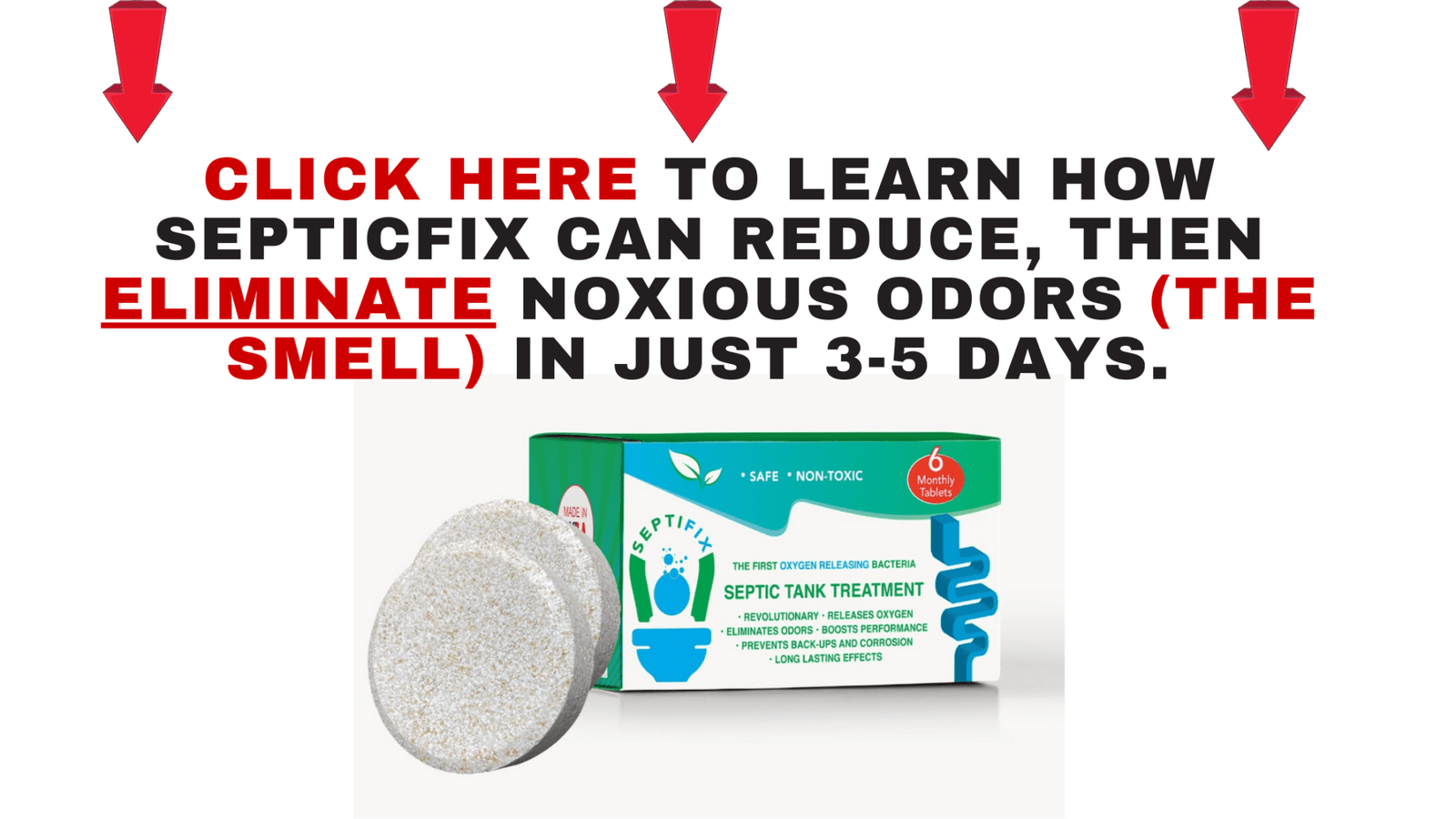
Beneficial Bacteria: These bacteria help break down waste and keep your septic system running smoothly. Adding beneficial bacteria can help improve the efficiency of your system and reduce odors.
Septic System Additives: These additives can help to control odor and break down grease, paper, and other waste products.
4. When to Call a Professional:
If the smell persists even after trying these solutions, it's time to call in the professionals. A qualified septic system technician can inspect your system and identify the root cause of the problem. They can also recommend appropriate repairs or replacements, ensuring your septic system is back in tip-top shape.
Remember, taking care of your septic system isn't just about avoiding a smelly situation; it's about protecting your home and your health. By following these tips and addressing any issues promptly, you can keep your septic system running smoothly and avoid any unpleasant surprises.


